Alby Warns of Critical Hub Flaw That Put Internet-Facing Bitcoin Wallets at Risk of Takeover
Versions v1.7.0 through v1.18.5 are affected, but only where owners exposed the Hub's management interface to the public internet. Alby says one user has been hit; technical details are being withheld for now.
Bitcoin wallet company Alby has disclosed a critical vulnerability in Alby Hub that could have allowed an attacker to seize control of a wallet and move funds out of it. The catch — and it is a significant one — is that the flaw is only reachable if the owner had made the Hub accessible from outside their own network.
Alby Hub is a self-hosted Lightning wallet. Owners run it on their own machine or a rented server, and it custodies their bitcoin directly, which makes a takeover on an exposed instance about as consequential as a software bug gets.
Who is affected
The vulnerable range covers v1.7.0 through v1.18.5, every one of which shipped before August 2025. Anything from v1.19.0 onward is clear; the first patched build went out on August 29, 2025, so any Hub updated at some point in the past year is out of the blast radius.
| Version | Status |
|---|---|
| v1.7.0 – v1.18.5 | Vulnerable, if the Hub was reachable from the internet |
| v1.19.0 and later | Not affected |
| v1.24.0 | Current release; Alby recommends it regardless |
The company says one user is known to have been affected. It has not said whether that person lost funds, only that they passed the details on to Alby.
Notably, Alby has not described the bug itself. It says a full write-up will follow in line with responsible disclosure, and separately thanked the researchers behind other issues resolved in the latest release. No CVE identifier has been published.
What owners should do
Alby's guidance puts the network fix before the software fix, which is the right order given that exposure is the precondition for exploitation:
Check the running version.
If it is v1.18.5 or older, cut off outside access first. In Docker, that means binding the port to the loopback address —
127.0.0.1:8080:8080rather than8080:8080. On a cloud server, it means tightening the firewall rule on port 8080 so it permits your own IP instead of the whole internet.Update to v1.24.0.
If your Hub was both on a vulnerable version and internet-facing, change the unlock password after updating and email [email protected].
That fourth step deserves attention. Alby has not spelled out whether patching alone severs any foothold an attacker may already have established on an exposed Hub — and the password-change instruction, which applies to exactly that group, is unexplained in the public advisory. Anyone in that category should treat their Hub as potentially compromised until Alby says otherwise.
The documentation problem
According to reporting by The Hacker News, part of the story here is that Alby Hub was never meant to be internet-facing, but the project's own instructions did not consistently make that clear.
The warning telling owners to keep the Hub off the public internet — and explaining that the server listens on every network interface on the machine, not just on localhost — only landed on September 7, in a documentation pull request whose description acknowledged that several setup guides had wrongly presented the service as bound to localhost. The same change tightened the project's Docker configuration to publish port 8080 to the local machine only.
Before that, the Linux server guide described the Hub as running on localhost and pointed anyone wanting public access toward a reverse proxy. The README bundled with both the oldest and newest vulnerable releases carried no such warning, and neither does the one in the current release.
More awkwardly, The Hacker News reported that as of September 9 — the day of the advisory — Alby's cloud deployment guides still walked users into exactly the configuration now flagged as dangerous. The DigitalOcean walkthrough instructs readers to leave the server's public address enabled so the Hub can be opened in a browser. The Hetzner guide has users create a firewall rule for port 8080 that permits any IPv4 and IPv6 address, offering restriction to one's own IP only as an optional hardening step, with an example Docker file that publishes the port to every address.
An earlier incident on an exposed Hub
This is not the first Alby Hub drained after being left open. In November 2025, responding publicly to a user whose Hub had been emptied, Alby said the machine had been reachable on the open internet and therefore accessible from outside.
By Alby's account that was a separate problem rather than this vulnerability: setup on that Hub had never been completed, so no unlock password existed, and the attacker simply finished the setup themselves.
In the aftermath, a change to Umbrel's app listing placed Alby Hub behind Umbrel's own authentication, which had previously been disabled for it. Umbrel's app store now ships v1.24.0 and Alby's own Umbrel listing installs v1.21.4 — both past the fix — though that reflects what those stores install today, not what any particular running Hub is on.
Questions still open
Two gaps in the advisory affect entire classes of users. It tells people to check their installed version, which gives Alby Cloud customers no way to know whether the issue has already been handled on their behalf. And it starts the affected range at v1.7.0 without addressing the releases below it, which go back to v1.0.2.
It has put both questions to Alby, along with the question of what the recommended password change is meant to accomplish. This piece will be updated if the company responds.
Related reporting
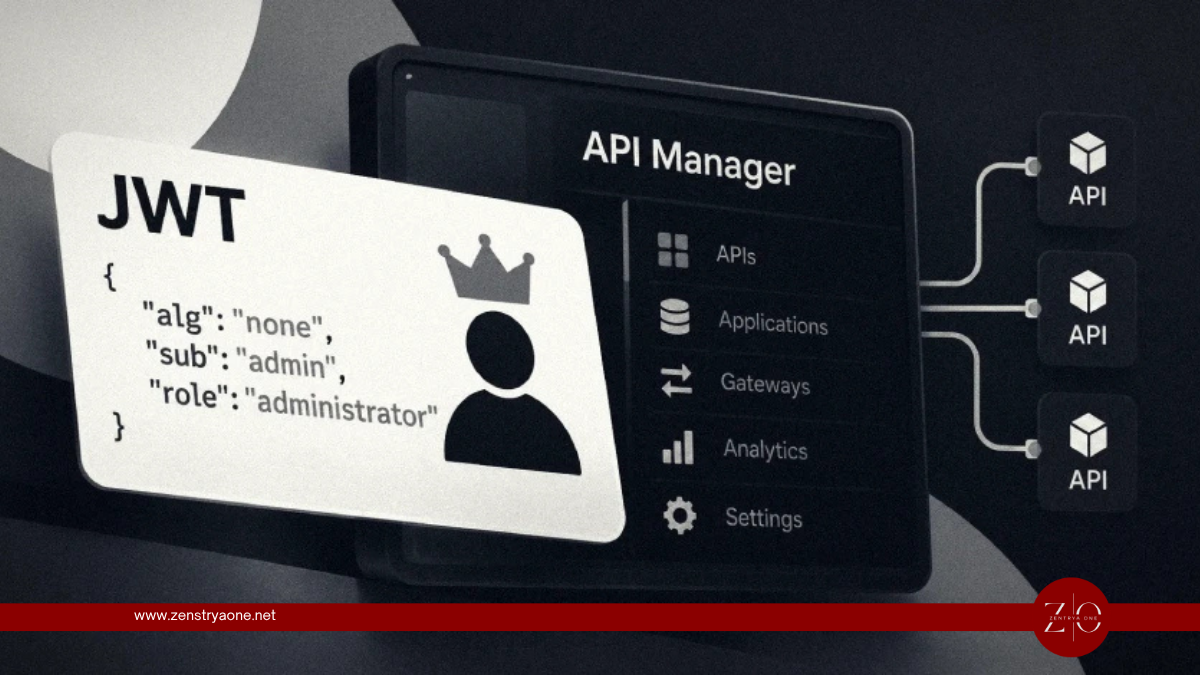
Hackers Exploit Critical WSO2 API Manager JWT Flaw Using Forged Admin Tokens
Security researchers have detected active exploitation attempts targeting a critical authentication-bypass vulnerability in WSO2 API Manager, with attackers sending forged JSON Web Tokens (JWTs) containing administrator privileges.

Nintendo Switch Vulnerability Lets Nearby Attackers Run Unauthorized Code via QR Code Feature
Nintendo has patched a high-severity vulnerability in the original Nintendo Switch that could allow a nearby attacker to execute unauthorized code or access information stored on the console.

China-Linked Hackers Chain Chrome and Windows Zero-Days to Deploy GRIMWEDGE Backdoor
China-linked threat actors have been observed chaining multiple vulnerabilities in Google Chrome and Microsoft Windows as part of sophisticated cyber-espionage campaigns targeting non-governmental organizations and other high-value organizations.