Enterprise-Wide AI Adoption Is Reshaping the SOC With a Surge in AI-Driven Alerts
As organizations rapidly integrate generative AI and AI agents into everyday workflows, Security Operations Centers (SOCs) are facing a new challenge: AI itself is becoming a major source of security alerts.
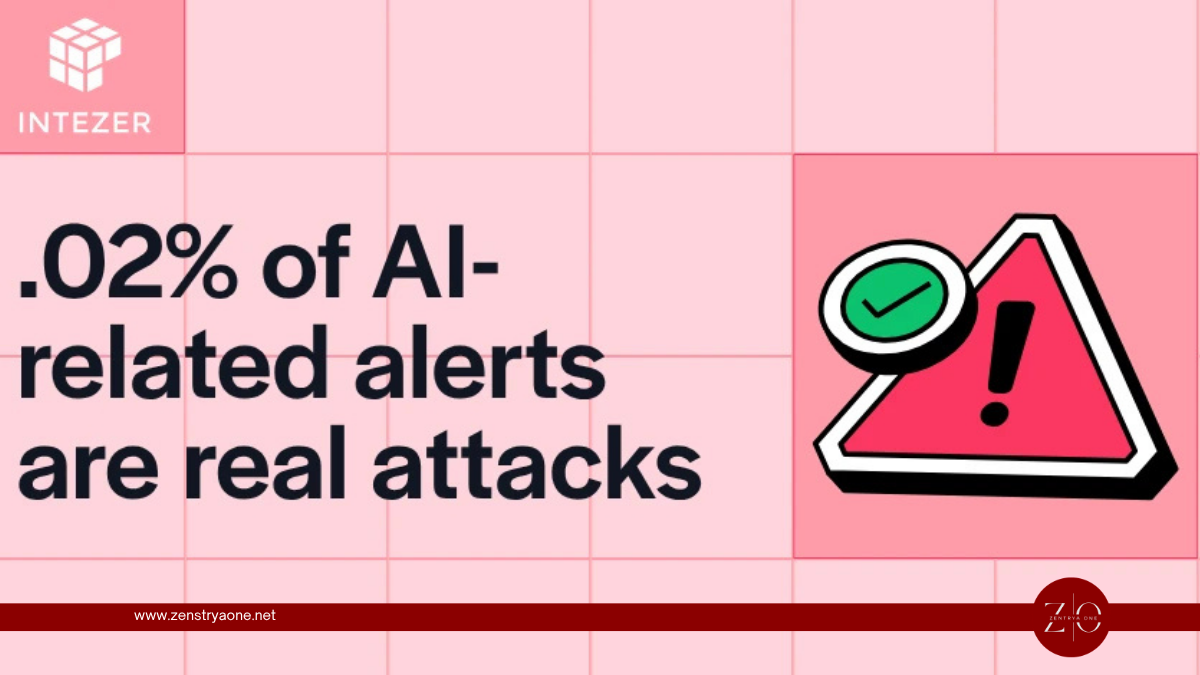
According to data highlighted by The Hacker News, AI-related alerts increased by 685% between February and June 2026. However, 94.1% were classified as noise, while only 5.8% represented genuine security risks.
The numbers highlight a growing problem for security teams: enterprise-wide AI adoption can dramatically increase alert volume before organizations have established the controls needed to distinguish legitimate AI activity from malicious behavior.
Why AI Is Creating More SOC Alerts
Employees are increasingly using AI assistants, coding copilots, browser extensions and autonomous agents to access corporate applications and data.
These tools can generate activity that looks unusual from a traditional security perspective, including:
- Large numbers of API requests
- Automated authentication attempts
- Access to multiple cloud services
- Rapid file and data processing
- New external connections
- Automated code execution
- Use of unfamiliar applications and plugins
From the SOC's perspective, legitimate AI workflows can therefore resemble attacker behavior.
The Alert-Fatigue Problem
The biggest challenge isn't simply the number of alerts. It is determining which AI activity is actually dangerous.
A legitimate AI agent may access hundreds of files or services within seconds. An attacker using a compromised AI agent could perform similar actions.
This makes traditional rule-based detection increasingly difficult.
| SOC Challenge | Example |
|---|---|
| Alert volume | AI-generated activity creates thousands of additional events |
| False positives | Legitimate automation resembles suspicious behavior |
| Identity ambiguity | Human users, service accounts and AI agents may share credentials |
| Data access | AI tools can access large amounts of enterprise information |
| Third-party risk | Employees may introduce unsanctioned AI tools |
| Agent autonomy | Agents can perform actions without continuous human approval |
AI Agents Introduce a New Identity Problem
Traditional SOC monitoring is largely built around users, endpoints, applications and service accounts.
AI agents introduce another identity category.
An agent may authenticate using a user's permissions, access cloud applications, retrieve files, execute code and communicate with external services.
If those credentials are compromised, attackers could potentially use the agent's existing permissions to move through the environment.
This is why organizations need to understand which AI systems exist, what identities they use, what data they can access and what actions they are authorized to perform.
How SOC Teams Can Adapt
Security teams should begin treating AI activity as a dedicated monitoring category rather than simply adding more detection rules.
Key measures include:
Build an AI asset inventory
Identify approved AI applications, agents, browser extensions, APIs and integrations across the organization.
Monitor AI identities
Track service accounts, API keys, OAuth tokens and other credentials used by AI systems.
Establish behavioral baselines
Understand what normal AI activity looks like for each application or agent before creating high-severity detections.
Monitor data access
Pay particular attention to unusual bulk downloads, access to sensitive repositories and attempts to transfer data outside approved environments.
Control agent permissions
Apply least privilege and limit agents to only the applications, data and actions they actually require.
Integrate AI telemetry into the SOC
AI-related events should be correlated with identity, endpoint, cloud, network and data-security telemetry so analysts can understand the complete activity chain.
The SOC Is Moving Toward an AI-to-AI Security Model
AI is not only increasing the workload for security teams; it is also becoming part of the solution.
AI-powered SOC platforms can help analysts summarize alerts, correlate events, investigate suspicious activity and automate repetitive response tasks.
But organizations should avoid simply adding AI on top of an already noisy environment.
The priority should be better context and higher-quality detections, not simply more automation.
The rapid increase in AI-related alerts shows that enterprise AI adoption is changing the SOC's operating model. With AI agents gaining access to corporate systems and data, security teams will need visibility into not only what users are doing, but also what their AI systems are doing on their behalf.
SEO Meta Description:
Enterprise-wide AI adoption is driving a surge in SOC alerts. Learn how AI agents are creating alert fatigue and what security teams can do to monitor AI activity.
Related reporting
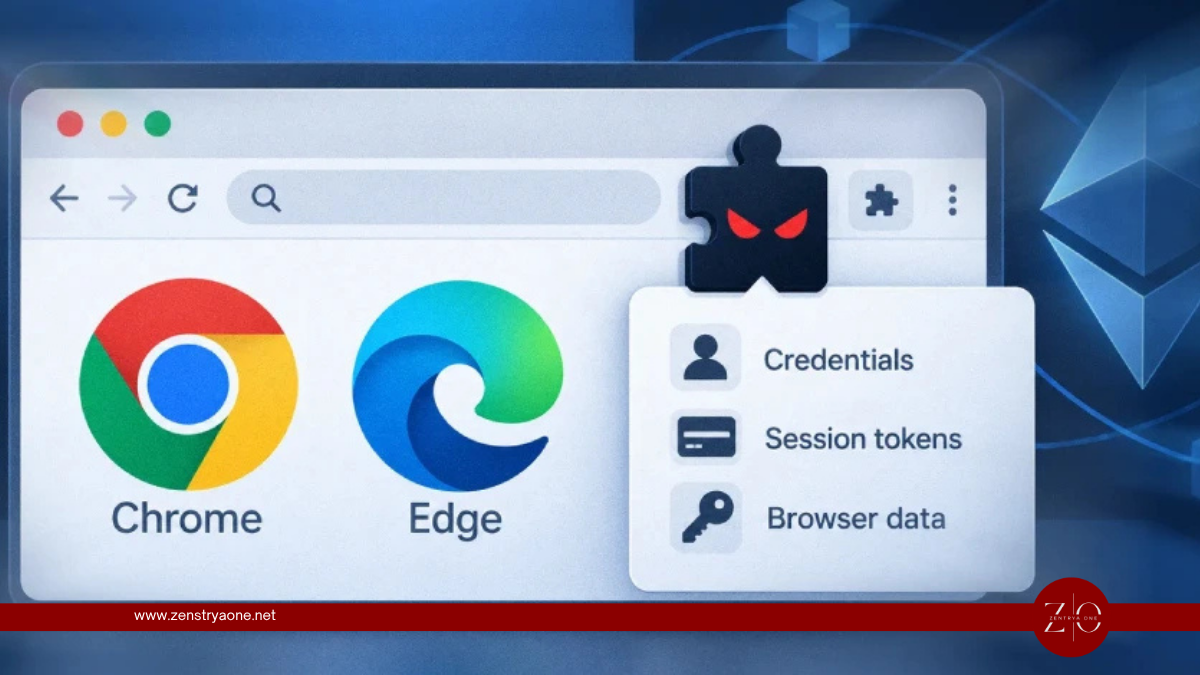
KREMLIN Banking Malware Hijacks Chrome and Edge to Steal Credentials and Session Tokens
Cybersecurity researchers have uncovered a sophisticated banking-malware campaign that hijacks Google Chrome and Microsoft Edge using malicious browser extensions capable of stealing credentials, cookies, session tokens and other sensitive browser data.

UK Government Begins Moving 23 Million Users Away From Passwords With Passkeys
The UK government has begun rolling out passkey authentication to more than 23 million GOV.UK One Login users, marking a major move away from traditional password-based authentication for accessing public services.
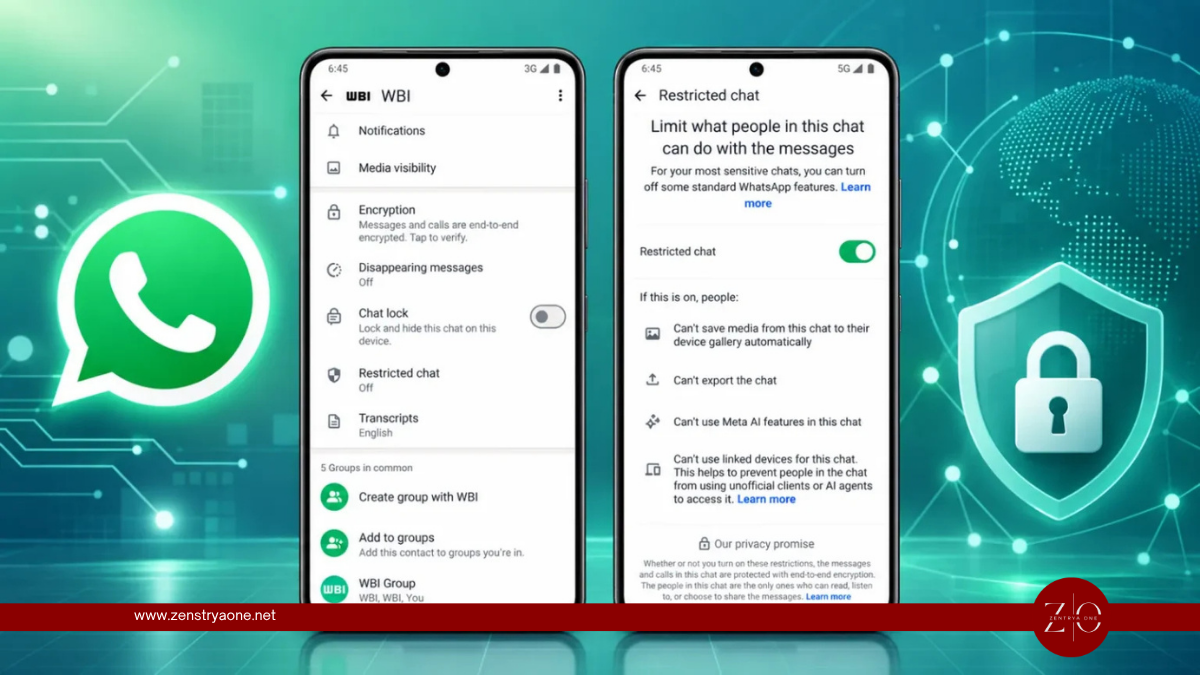
WhatsApp Tests Restricted Chat Feature to Keep Sensitive Conversations on Your Primary Phone
WhatsApp is developing a new privacy feature called Restricted Chat that could give users greater control over where sensitive conversations are accessible.