WhatsApp Tests Restricted Chat Feature to Keep Sensitive Conversations on Your Primary Phone
WhatsApp is developing a new privacy feature called Restricted Chat that could give users greater control over where sensitive conversations are accessible.
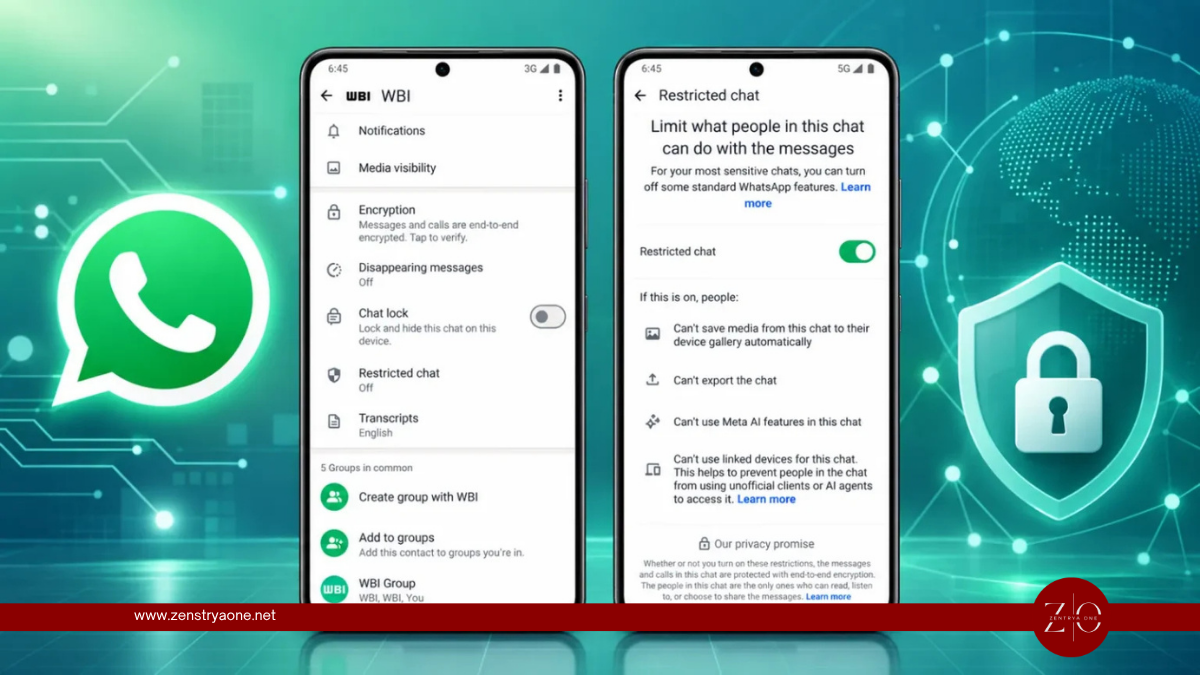
The feature was spotted in WhatsApp beta for Android version 2.26.36.5 and is designed to prevent selected conversations from synchronizing with linked devices such as WhatsApp Web, desktop applications and secondary phones.
Restricted Chat Limits Conversation Synchronization
Unlike existing privacy controls that primarily restrict what users can do with messages, Restricted Chat focuses on where the conversation itself can be accessed.
When enabled for a specific conversation, the chat would remain available on the user's primary smartphone while being excluded from linked-device synchronization.
This means a protected conversation would not be available through:
- WhatsApp Web
- WhatsApp desktop applications
- Secondary phones linked to the account
- Other linked endpoints
The feature could be particularly useful for users who regularly access WhatsApp from shared computers, workplace devices or multiple smartphones.
Building on Advanced Chat Privacy
Restricted Chat appears to extend WhatsApp's existing Advanced Chat Privacy functionality rather than replace it.
The existing privacy layer provides additional restrictions for selected conversations, including preventing complete chat exports and stopping media from being automatically saved to a device's gallery.
Restricted Chat adds another layer by limiting the devices that can receive the conversation.
For organizations and individuals handling sensitive information, this creates a narrower exposure surface. A conversation that remains on the primary phone would not automatically become available on a potentially unattended browser session or secondary device.
Why the Feature Matters
Linked devices improve convenience, but they also increase the number of endpoints where private conversations can potentially be accessed.
An old browser session, shared workstation or forgotten linked phone could create an additional privacy risk.
By keeping selected chats off linked devices, WhatsApp could provide users with a practical way to separate ordinary conversations from highly sensitive communications without disabling multi-device functionality for the entire account.
However, Restricted Chat would not prevent someone with physical access to the primary phone from viewing the conversation, nor would it prevent participants from manually photographing or recording messages using another device.
Still Under Development
Restricted Chat is not currently available as a normal WhatsApp feature.
Although the capability has appeared in Android beta code, reports indicate that it remains under development and was not yet enabled even for beta testers. WhatsApp has also not announced an official public release date.
The final implementation could therefore change before reaching users, and availability across Android, iOS, Web and desktop has not been confirmed.
Security and Privacy Takeaway
WhatsApp's proposed Restricted Chat feature represents a shift toward per-conversation device-level privacy controls.
Instead of forcing users to choose between multi-device convenience and protecting sensitive discussions, the feature could allow users to keep selected conversations restricted to their primary smartphone.
For journalists, executives, security professionals and other users handling confidential communications, limiting the number of endpoints where sensitive messages exist could significantly reduce accidental exposure.
For now, users should continue reviewing their Linked Devices list and remove sessions they no longer recognize or use.
SEO Meta Description:
WhatsApp is testing Restricted Chat, a new privacy feature designed to keep selected conversations on the primary phone and prevent synchronization with linked devices.
Related reporting
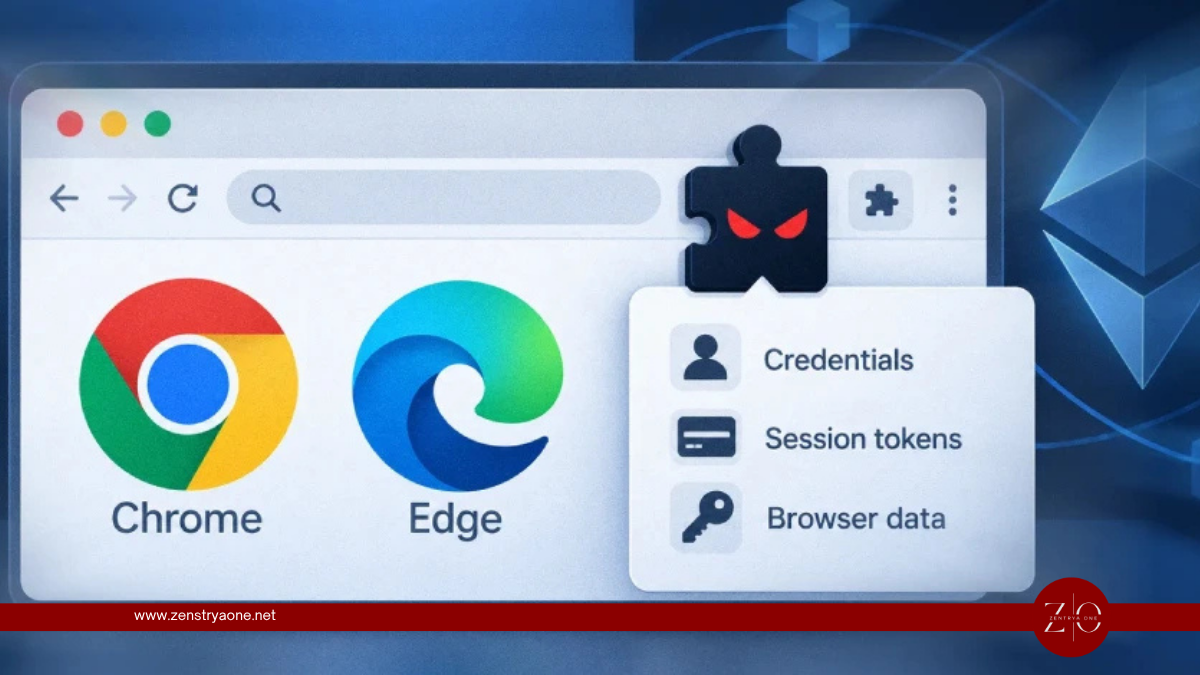
KREMLIN Banking Malware Hijacks Chrome and Edge to Steal Credentials and Session Tokens
Cybersecurity researchers have uncovered a sophisticated banking-malware campaign that hijacks Google Chrome and Microsoft Edge using malicious browser extensions capable of stealing credentials, cookies, session tokens and other sensitive browser data.

UK Government Begins Moving 23 Million Users Away From Passwords With Passkeys
The UK government has begun rolling out passkey authentication to more than 23 million GOV.UK One Login users, marking a major move away from traditional password-based authentication for accessing public services.

Enterprise-Wide AI Adoption Is Reshaping the SOC With a Surge in AI-Driven Alerts
As organizations rapidly integrate generative AI and AI agents into everyday workflows, Security Operations Centers (SOCs) are facing a new challenge: AI itself is becoming a major source of security alerts.