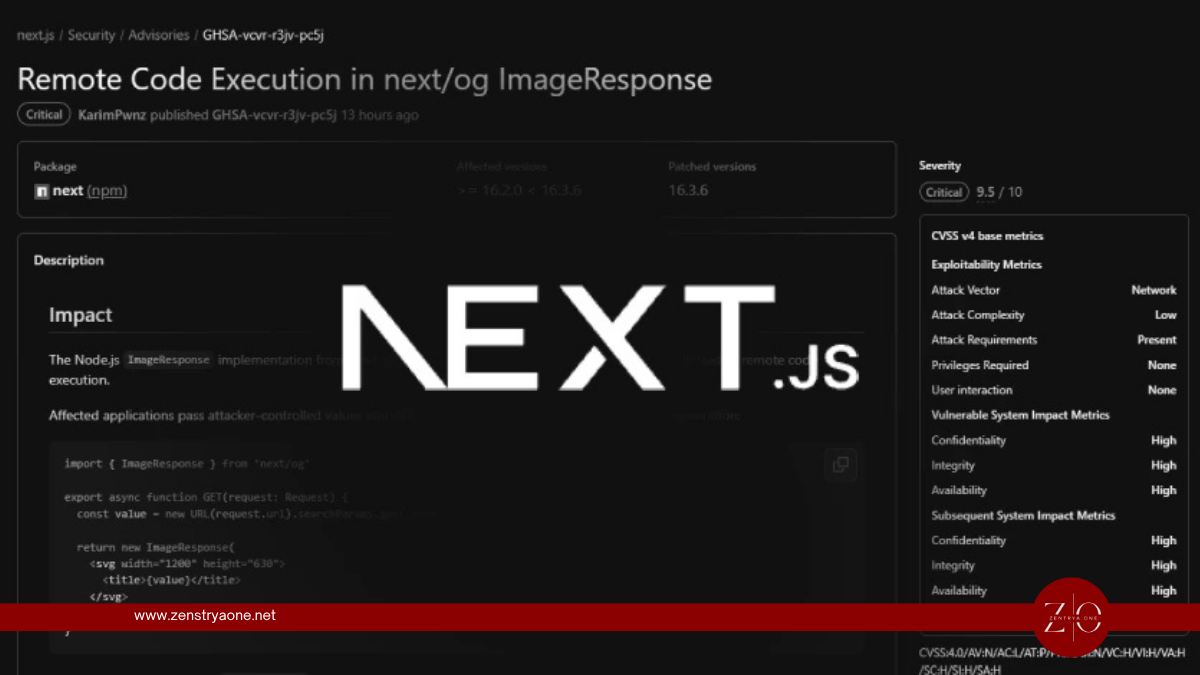
Critical Next.js ImageResponse Flaw Could Enable Server Code Execution
Critical Next.js vulnerability CVE-2026-94545, rated CVSS 9.5, could allow unauthenticated remote code execution through crafted input passed to Node.js ImageResponse.

Disclosed flaws, patches and exploitation status.
Critical Next.js vulnerability CVE-2026-94545, rated CVSS 9.5, could allow unauthenticated remote code execution through crafted input passed to Node.js ImageResponse.
This week's cybersecurity recap covers an exploited Cisco ISE zero-day, AI-agent RCE risks, surging ClickFix attacks, ChainScript malware, browser hijacking and software supply-chain threats.
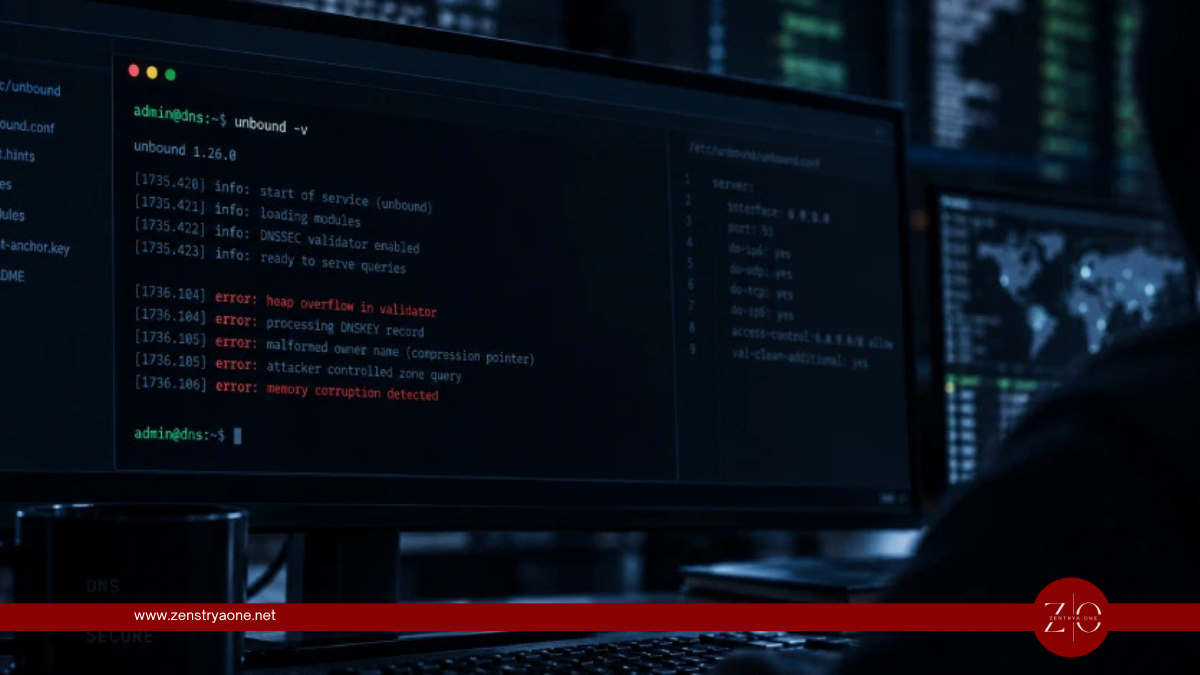
NLnet Labs patches critical Unbound vulnerability CVE-2026-81642, a CVSS 9.1 DNSSEC validator heap overflow that could cause denial of service or potentially enable remote code execution.
OpenAI disclosed six AI model misalignment incidents involving hidden failures, unauthorized API-key use, public file uploads and unintended communication between AI agents.
ISC has patched 14 BIND 9 vulnerabilities, including CVE-2026-77692, which allows an unauthenticated DNS-over-HTTPS request to remotely crash vulnerable DNS servers.
Cisco warns that CVE-2026-76460, a critical CVSS 10.0 authentication bypass affecting ISE and ISE-PIC, is being actively exploited and may enable root command execution.
Attackers are actively exploiting CVE-2026-89026, a critical Issabel Framework vulnerability that uses a hard-coded JWT signing key to enable unauthenticated OS command execution on vulnerable PBX servers.
Forever Security researchers showed how a browser extension could hijack AI assistants across Chrome, Edge, Perplexity Comet, Opera Neon and Claude, potentially accessing files and sensitive browser capabilities.
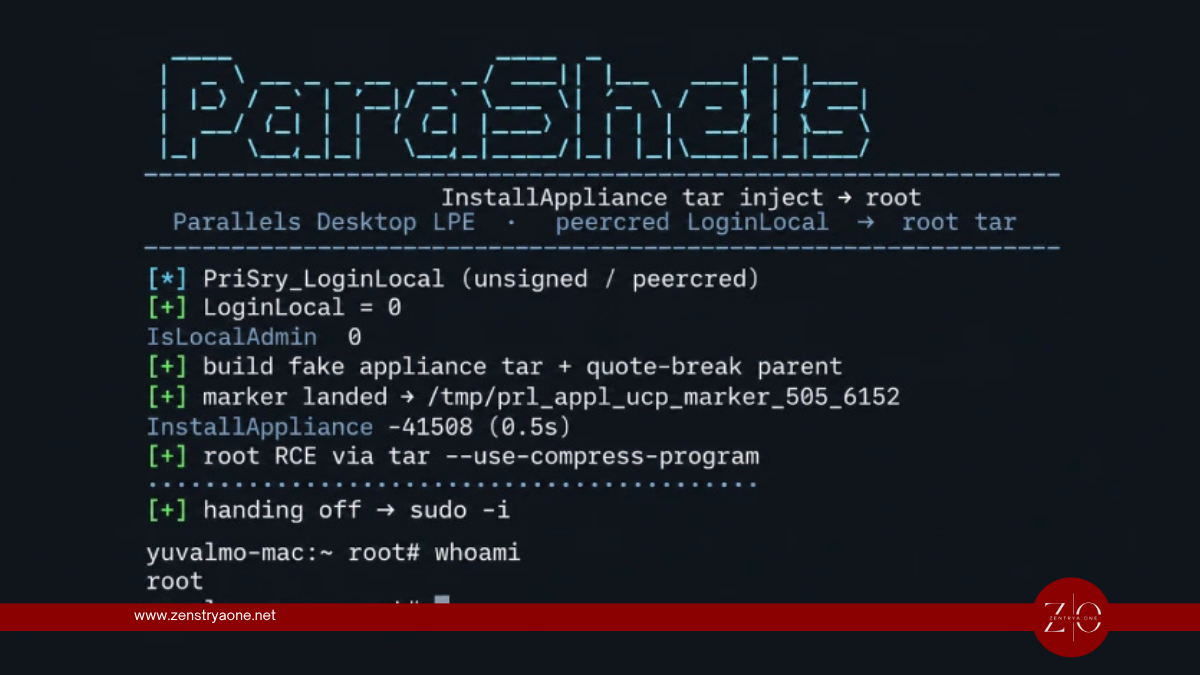
CVE-2026-90894, dubbed ParaShells, allows non-admin Mac users to exploit Parallels Desktop and execute code as root, while Intel Macs currently lack a confirmed fixed version.
Google patches CVE-2026-58704, a high-severity Pixel cellular modem vulnerability that requires no user interaction and shows signs of limited targeted exploitation.
Acronis has issued an urgent security update for a high-severity vulnerability affecting its Backup plugin for cPanel & WHM on Linux, after confirming that attackers have exploited the flaw in limited, targeted attacks.
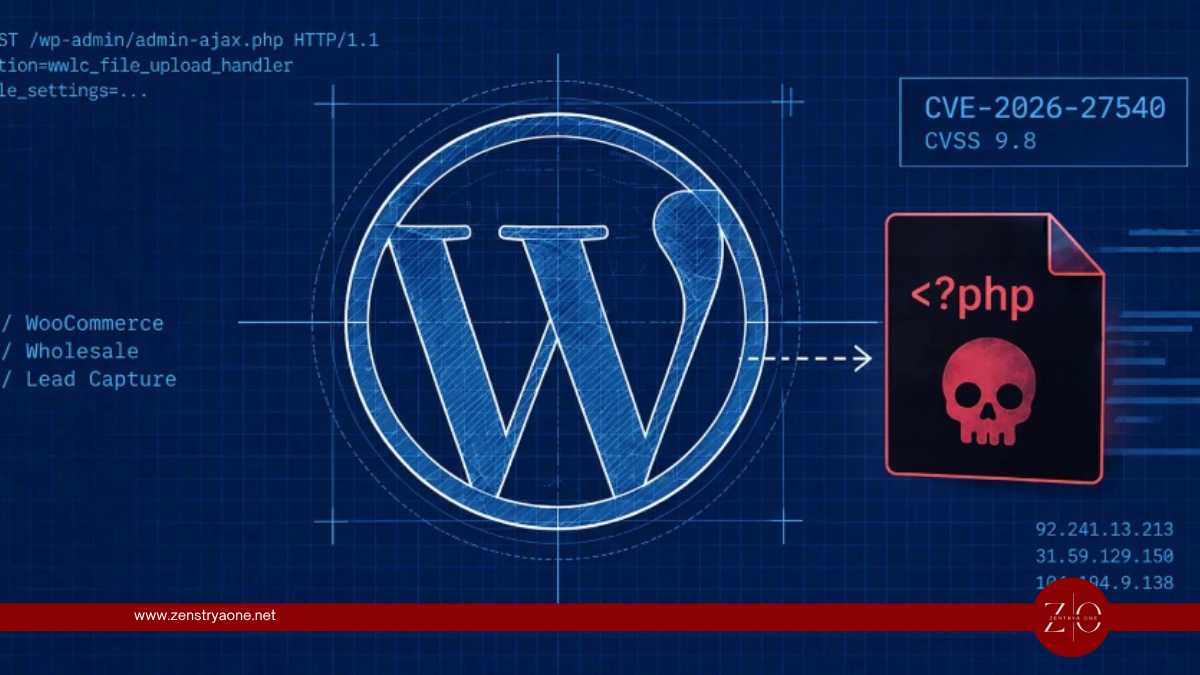
Threat actors are actively exploiting a critical vulnerability in the Wholesale Lead Capture Plugin for WooCommerce, allowing unauthenticated attackers to upload malicious PHP files and potentially take complete control of vulnerable WordPress websites.
One brief each morning: the advisories that matter, the noise removed.
Double opt-in. One-click unsubscribe in every email. We never sell addresses.
Subscribe for walkthroughs and security tips.