France Accuses Iranian Hackers of Sabotaging Refrigeration Systems at 700 Retail Sites
France blames Iranian IRGC-linked hackers for cyberattacks on 700 refrigeration systems, causing food losses, equipment damage and at least 15 fires.
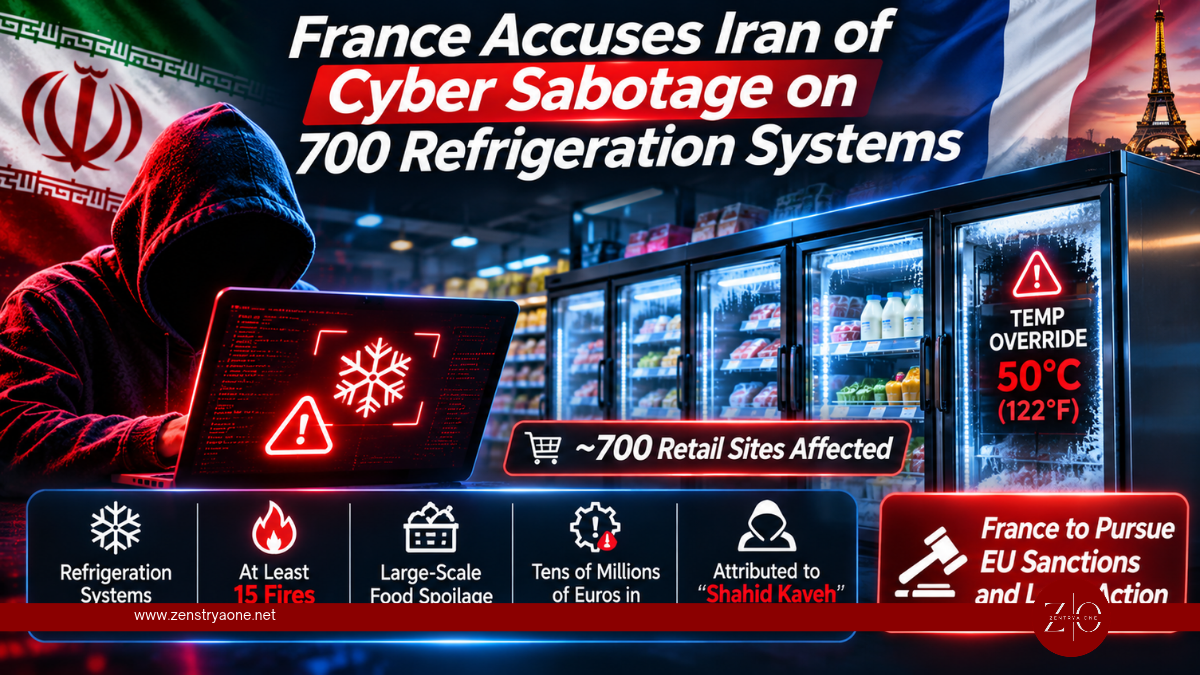
France has formally accused an Iranian military-linked hacking group of carrying out a major cyberattack against refrigeration systems at approximately 700 retail locations, causing widespread food spoilage, equipment damage and at least 15 fires.
French authorities identified the suspected attackers as Shahid Kaveh, a cyber unit affiliated with Iran's Islamic Revolutionary Guard Corps (IRGC).
The announcement marks a significant escalation in concerns about state-linked cyberattacks targeting industrial equipment and essential services.
How the Refrigeration Systems Were Sabotaged
The attacks occurred during the night of October 11–12, 2026, when hackers gained unauthorized access to refrigeration controllers used by French supermarkets and food businesses.
Rather than stealing information, the attackers manipulated equipment settings, particularly the defrost controls.
The changes caused refrigeration units to reach dangerously high temperatures, damaging stored products and disrupting operations.
According to France's national cybersecurity agency, ANSSI, the attacks resulted in extensive food losses and at least 15 fires.
The financial damage is estimated to be worth tens of millions of euros.
French Investigators Identify Iranian Cyber Unit
Following a technical investigation, France's Cyber Crisis Coordination Centre attributed the operation to Shahid Kaveh.
Investigators identified several indicators supporting the attribution, including:
- Infrastructure associated with previous cyber operations.
- Tools and techniques linked to the suspected group.
- Persian-language artifacts found in the attack infrastructure.
- Connections to online accounts used to publicize the attacks.
Shahid Kaveh has also been associated with the CyberAv3ngers hacking identity, previously linked to attacks against industrial control systems.
French investigators reported that the same operation also targeted equipment at small hydroelectric facilities, although the impact was limited.
France Threatens Sanctions and Legal Action
French Foreign Minister Jean-Noël Barrot condemned the incident and announced that France would pursue European Union sanctions against those responsible.
France also summoned Iran's ambassador to formally protest the alleged cyber sabotage.
Meanwhile, Paris prosecutors opened a judicial investigation and requested international arrest warrants against suspected members of the Shahid Kaveh group.
French officials described the incident as an unprecedented large-scale cyberattack aimed at causing physical damage within the country.
Iran has historically denied involvement in malicious cyber operations. The attribution presented by France reflects the findings of French authorities.
A Growing Threat to Industrial Infrastructure
The incident demonstrates how attackers can exploit weaknesses in operational technology (OT) to create real-world consequences.
Unlike traditional cyberattacks focused on data theft, industrial sabotage can directly affect physical processes.
Potential targets include supermarket refrigeration systems, food warehouses, medical cold storage, water treatment facilities and energy infrastructure.
The case also highlights the risks of exposing industrial controllers to the internet without adequate authentication and network protection.
Recommended Security Measures
Organizations operating refrigeration and industrial control systems should prioritize:
- Restrict remote access: Remove unnecessary internet exposure from industrial controllers.
- Strengthen authentication: Replace default passwords and implement multifactor authentication where supported.
- Segment OT networks: Separate operational systems from corporate IT environments.
- Monitor configuration changes: Detect unauthorized temperature and defrost-setting modifications.
- Update vulnerable systems: Apply manufacturer security updates and review unsupported devices.
- Prepare incident response procedures: Establish manual overrides, emergency shutdown capabilities and tested recovery plans.
Security Takeaway
The attack against French refrigeration systems highlights the increasing danger of cyber operations designed to cause physical disruption rather than simply steal information.
With hundreds of retail sites affected, significant financial losses and reported fires, the incident demonstrates why industrial cybersecurity must be treated as an essential part of operational safety.
Organizations should strengthen OT security, monitor industrial control changes and limit remote access to prevent similar attacks against critical infrastructure.
Related reporting

Italy Fines Meta €805 Million Over Facebook's Unauthorized Access to Android Photo Galleries
Italy fines Meta €805 million for Facebook's Android photo gallery access without specific consent, affecting approximately 20 million users.

SilentAir Hackers Compromise Asian Telecom Networks to Intercept SMS Verification Codes
SilentAir hackers compromise Asian telecom networks to intercept SMS 2FA codes and spy on Taiwanese users, exposing mobile signaling security risks.
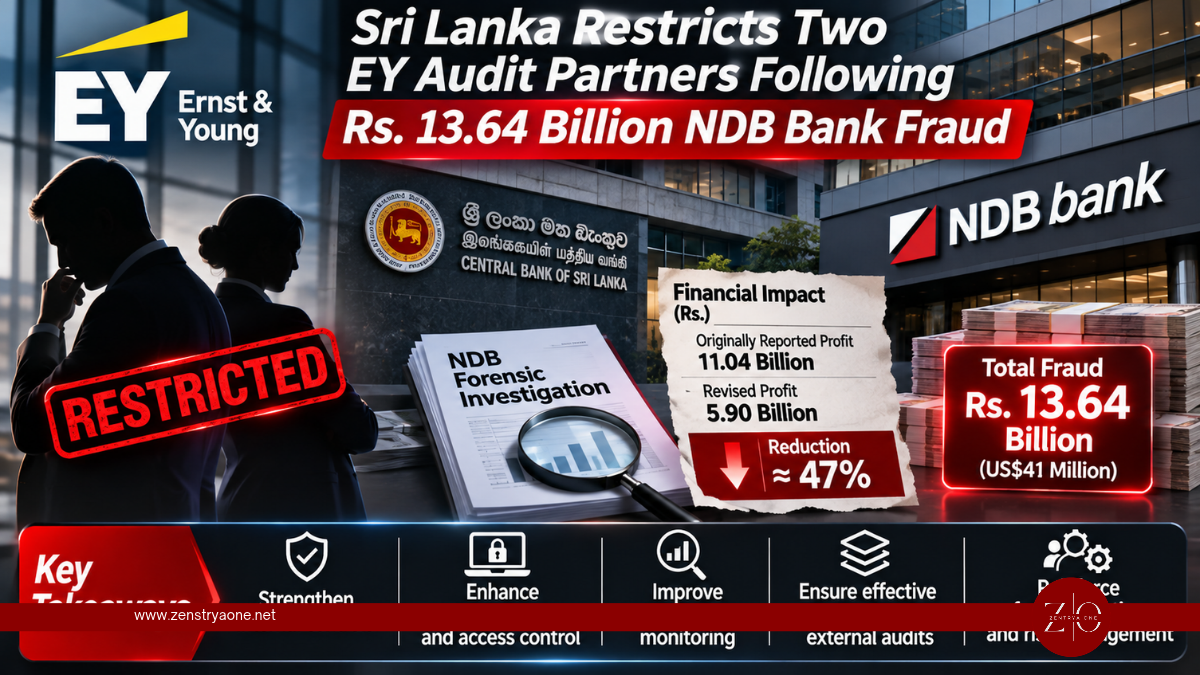
Sri Lanka Restricts Two EY Audit Partners Following Rs. 13.64 Billion NDB Bank Fraud
Sri Lanka's Central Bank restricts two EY audit partners following the Rs. 13.64 billion NDB fraud, raising concerns about banking controls and audit oversight.