SilentAir Hackers Compromise Asian Telecom Networks to Intercept SMS Verification Codes
SilentAir hackers compromise Asian telecom networks to intercept SMS 2FA codes and spy on Taiwanese users, exposing mobile signaling security risks.
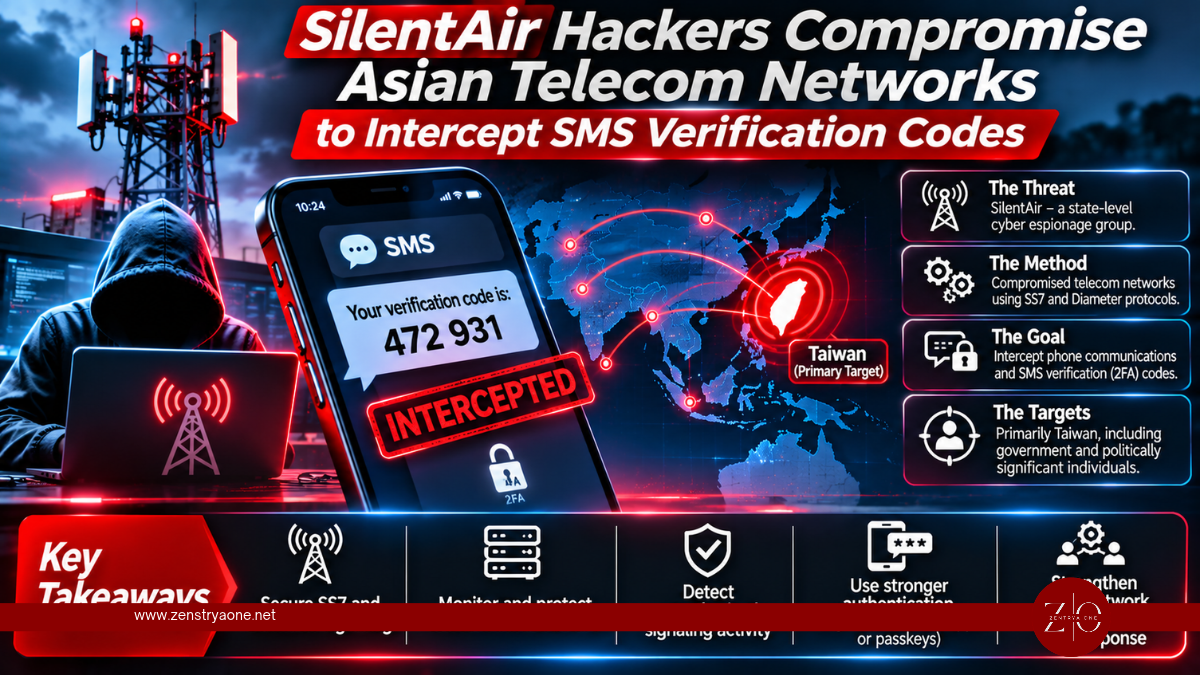
Cybersecurity researchers have uncovered a sophisticated cyber espionage campaign in which a previously unknown threat group, SilentAir, compromised telecommunications infrastructure across at least six Asian countries to intercept phone communications and SMS verification codes.
The operation primarily targeted mobile subscribers in Taiwan, including government officials and politically significant individuals.
According to Swedish telecommunications security company Enea, the attackers exploited trusted connections between mobile operators to redirect communications and collect sensitive information.
How SilentAir Compromised Mobile Networks
Unlike conventional attacks targeting individual smartphones, SilentAir operated through compromised equipment inside telecommunications providers.
The attackers abused two important mobile signaling protocols:
- SS7 (Signaling System No. 7): Used to manage telephone calls, SMS delivery and roaming services.
- Diameter: A protocol used in modern mobile networks for authentication, authorization and signaling.
By manipulating signaling messages, attackers could falsely indicate that a targeted subscriber was connected through equipment they controlled.
If accepted by the subscriber's home network, this could redirect incoming communications through compromised infrastructure.
Researchers observed successful interception of SMS messages, including two-factor authentication (2FA) codes.
Taiwan Was the Primary Target
Enea identified malicious activity originating from compromised telecommunications equipment in at least six Asian countries.
Although Taiwan was the primary focus, the campaign also targeted subscribers in other parts of Asia, with occasional activity affecting users in Europe, the Middle East, Central Asia and East Africa.
Some targeted individuals held senior political or government positions.
Researchers have monitored suspicious activity since early 2025, with additional evidence suggesting that the operation began even earlier.
The attacks occurred in carefully timed bursts, sometimes separated by months of inactivity.
Invisible SMS Messages Used for Surveillance
One unusual feature of SilentAir's operation was its extensive use of silent SMS messages.
Unlike ordinary text messages, silent SMS messages do not normally appear in the recipient's inbox or generate a notification.
Researchers believe the attackers used these messages to test whether communication interception was functioning correctly and potentially monitor subscriber connectivity.
Large volumes of silent SMS activity were directed toward Taiwanese mobile subscribers, particularly during nighttime hours.
However, the exact purpose of every silent SMS campaign remains unconfirmed.
Researchers Suspect State-Sponsored Espionage
Enea assessed with high confidence that SilentAir is a state-level threat actor.
The researchers identified several characteristics consistent with a sophisticated espionage operation, including selective targeting, advanced signaling techniques and prolonged periods of inactivity.
Enea also identified possible connections to China-linked cyber operations, but assessed this association with low confidence.
Researchers examined potential links with another telecommunications-focused threat group, Liminal Panda, although they did not establish that the groups were operated by the same organization.
Why SMS-Based Authentication Is at Risk
The campaign highlights an important weakness in SMS-based authentication.
Even when an account password remains secure, an attacker capable of intercepting SMS messages may obtain one-time verification codes.
This creates additional risks for email accounts, financial services, government systems and other platforms relying on text-message authentication.
However, researchers have not confirmed that the intercepted codes resulted in successful account takeovers.
Security Recommendations
Telecommunications operators should:
- Strengthen SS7 and Diameter security: Detect unauthorized signaling requests and suspicious location updates.
- Secure interconnection networks: Treat traffic from external mobile operators as potentially untrusted.
- Monitor compromised infrastructure: Investigate unusual signaling activity originating from internal network equipment.
- Deploy signaling and GTP firewalls: Correlate suspicious activity across mobile network protocols.
- Improve incident response: Coordinate with other operators to identify and contain cross-network attacks.
For individual users, particularly those handling sensitive information, authenticator applications, passkeys and hardware security keys provide stronger alternatives to SMS-based verification where supported.
Security Takeaway
SilentAir demonstrates how attackers can exploit the infrastructure connecting mobile operators to conduct surveillance without directly compromising a victim's smartphone.
The interception of SMS authentication codes highlights the security risks of relying exclusively on telecommunications networks for identity verification.
Organizations and mobile operators should strengthen signaling security, improve cross-network threat detection and encourage phishing-resistant authentication methods to reduce exposure to advanced cyber espionage.
Related reporting
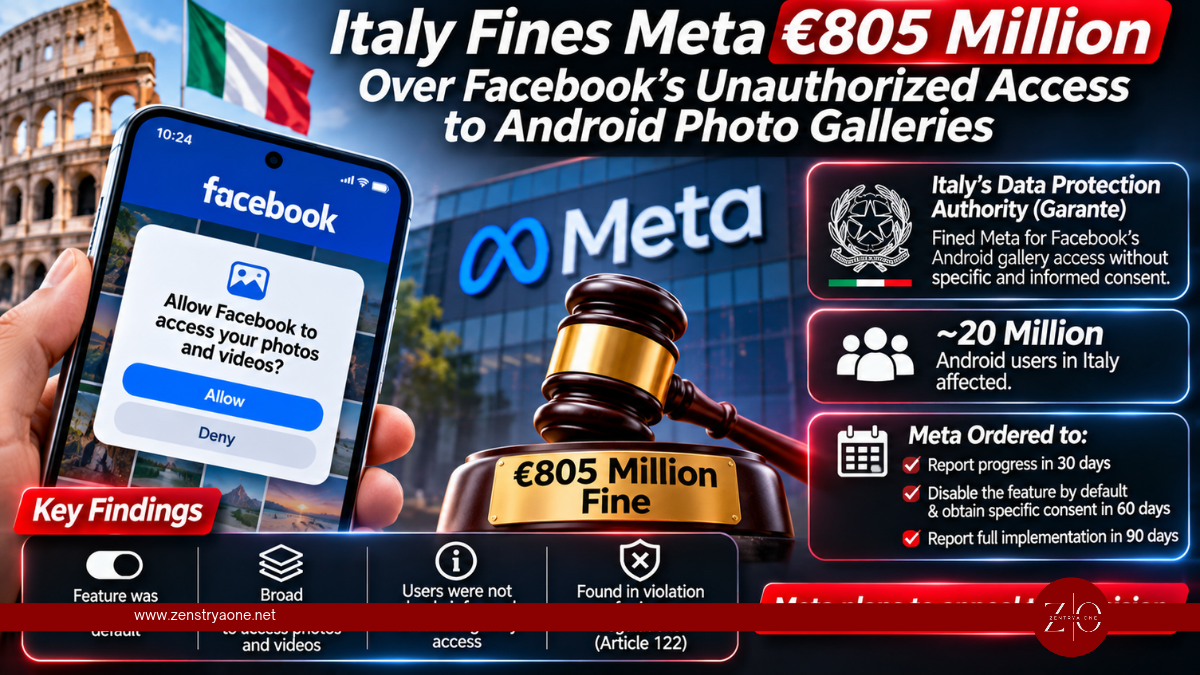
Italy Fines Meta €805 Million Over Facebook's Unauthorized Access to Android Photo Galleries
Italy fines Meta €805 million for Facebook's Android photo gallery access without specific consent, affecting approximately 20 million users.
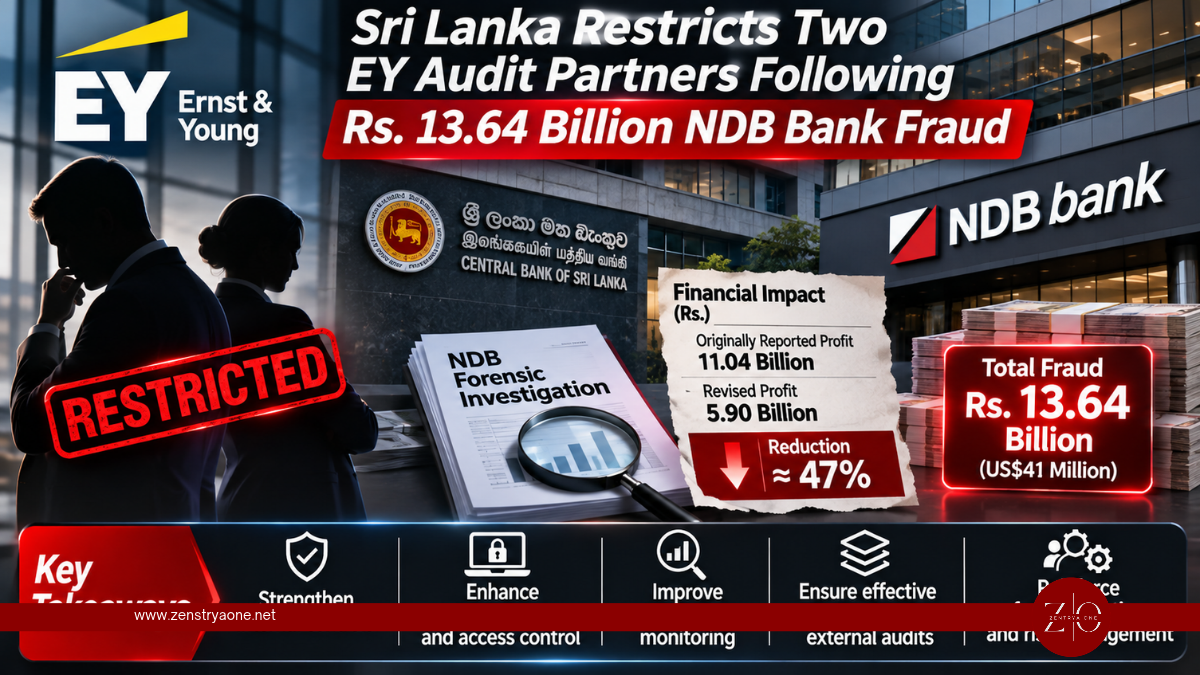
Sri Lanka Restricts Two EY Audit Partners Following Rs. 13.64 Billion NDB Bank Fraud
Sri Lanka's Central Bank restricts two EY audit partners following the Rs. 13.64 billion NDB fraud, raising concerns about banking controls and audit oversight.
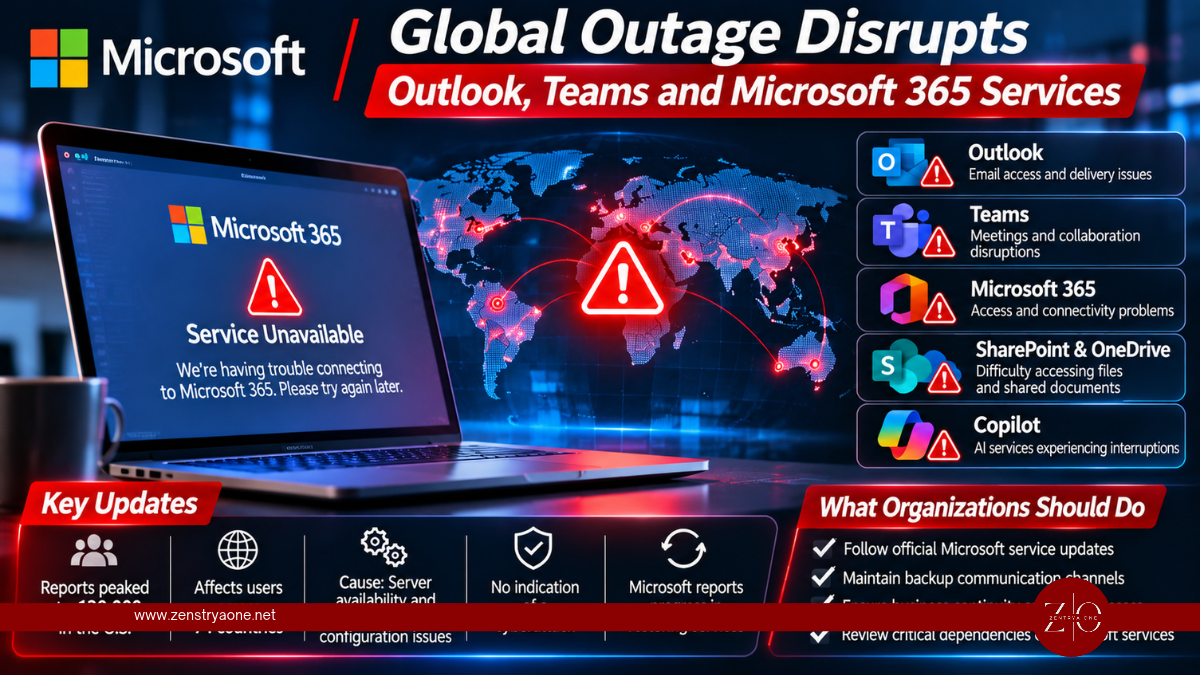
Global Microsoft Outage Disrupts Outlook, Teams and Microsoft 365 Services Worldwide
Global Microsoft outage disrupts Outlook, Teams, Microsoft 365 and Copilot worldwide, affecting businesses, governments and millions of users.