mSecure Password Manager Confirms Data Breach, Urges Users to Reset Passwords and Passkeys
mSecure confirms an encrypted database theft and urges users to change passwords, review 2FA credentials and replace sensitive passkeys.
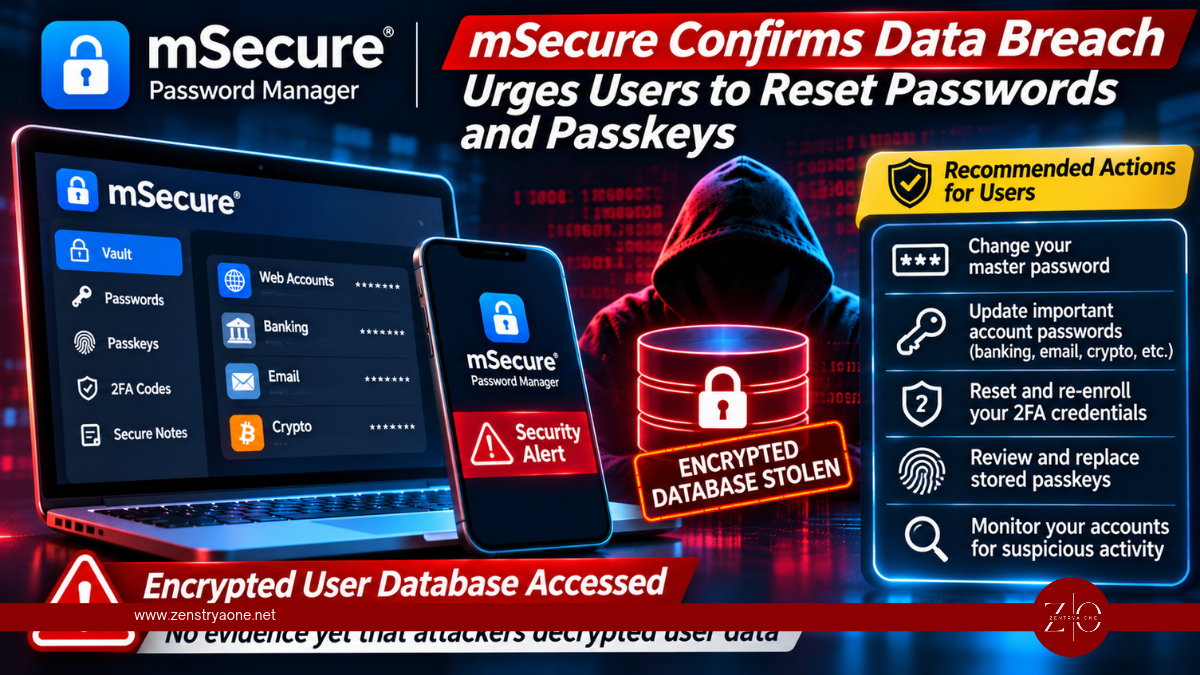
Password manager provider mSecure has warned current and former customers to take immediate security precautions after an unauthorized actor obtained an encrypted copy of a database containing user information.
The incident has raised concerns about the security of stored passwords, two-factor authentication (2FA) credentials and passkeys, although the company says it has no evidence that attackers decrypted the stolen information.
What Happened?
On November 3, 2026, mSecure developer mSeven Software notified customers about suspicious activity involving its password management application.
The company launched an investigation, implemented mitigation measures and engaged external cybersecurity specialists.
In a subsequent clarification reported on November 4, mSeven acknowledged that an unauthorized party had acquired an encrypted database associated with its cloud service.
The company emphasized that encryption protected the information and that investigators had not identified evidence of attackers accessing the confidential contents.
However, the full technical details of the intrusion, including the initial access method and number of affected users, remain unclear.
What Information Could Be at Risk?
mSecure allows users to store sensitive information such as:
- Website and application passwords
- Financial account credentials
- Two-factor authentication information
- Passkeys and other confidential records
The company says the incident concerns information associated with its mSecure Cloud synchronization service.
Users who synchronized their password vaults through this service may be affected. The company has not reported the same exposure for customers who exclusively used alternative synchronization methods.
Although the database was encrypted, its theft creates potential long-term risks if attackers eventually obtain the means to decrypt the information.
Importantly, there is currently no confirmed evidence that attackers accessed users' plaintext passwords or successfully decrypted their vaults.
Users Advised to Update Security Credentials
As a precaution, mSeven has recommended that customers review and strengthen their account security.
Recommended actions include:
- Change the master password: Replace the password used to protect the mSecure vault with a strong, unique password.
- Update critical passwords: Prioritize banking, email, cryptocurrency and business accounts.
- Reset 2FA credentials: Re-enroll authentication methods where sensitive authentication secrets may be at risk.
- Review stored passkeys: Consider replacing passkeys associated with sensitive accounts in accordance with the provider's guidance.
- Monitor account activity: Check for unfamiliar login attempts, password-reset notifications and unauthorized transactions.
- Beware of phishing: Access mSecure support through official channels rather than following suspicious links in security-related emails.
Users should avoid reusing old passwords and enable phishing-resistant authentication wherever possible.
Customers Seek Greater Transparency
The initial notification caused confusion among customers because it did not clearly identify the affected systems or explain whether all stored credentials needed replacement.
Some users reported maintaining hundreds of passwords within the application, making a complete credential reset a significant undertaking.
Questions were also raised about whether the warning applied to authentication methods stored inside mSecure or those used to access the password manager itself.
The company's subsequent clarification provided additional information about the stolen encrypted database, but questions remain about the intrusion method and its overall impact.
Security Takeaway
The mSecure incident highlights the importance of strong encryption, secure cloud infrastructure and transparent incident communication.
Although there is no confirmed evidence that attackers decrypted customer information, users should not ignore the security warning.
Customers should prioritize protecting high-value accounts, review their stored credentials and monitor official mSecure security updates as the investigation continues.
Related reporting
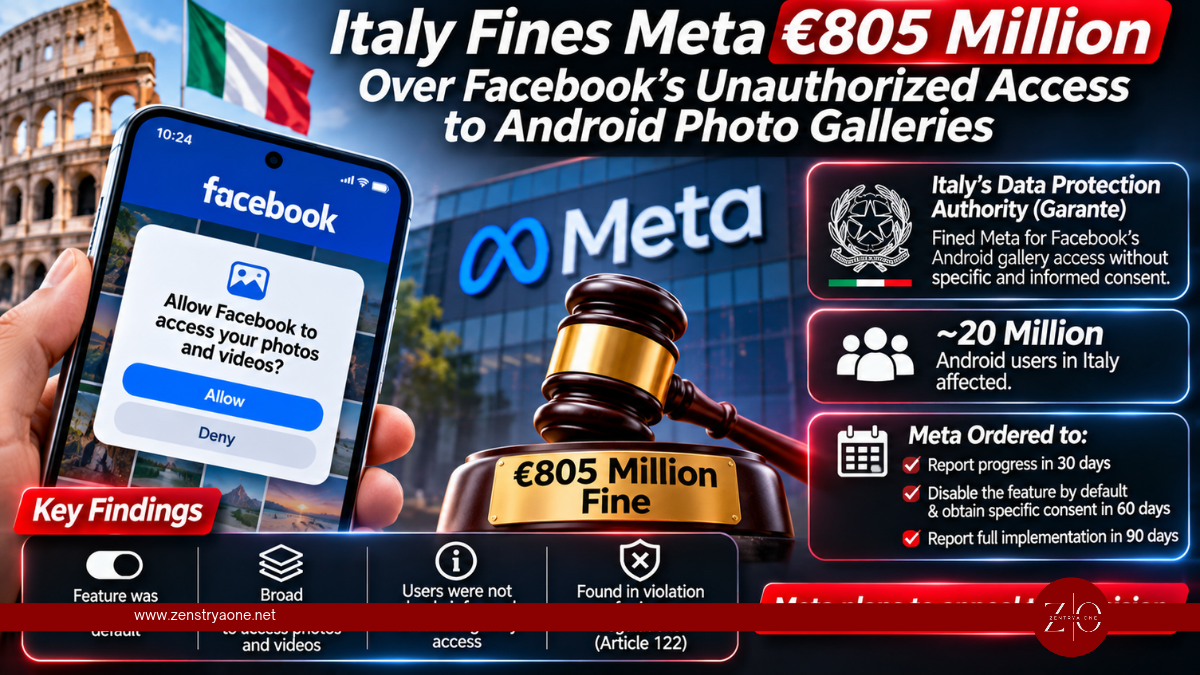
Italy Fines Meta €805 Million Over Facebook's Unauthorized Access to Android Photo Galleries
Italy fines Meta €805 million for Facebook's Android photo gallery access without specific consent, affecting approximately 20 million users.
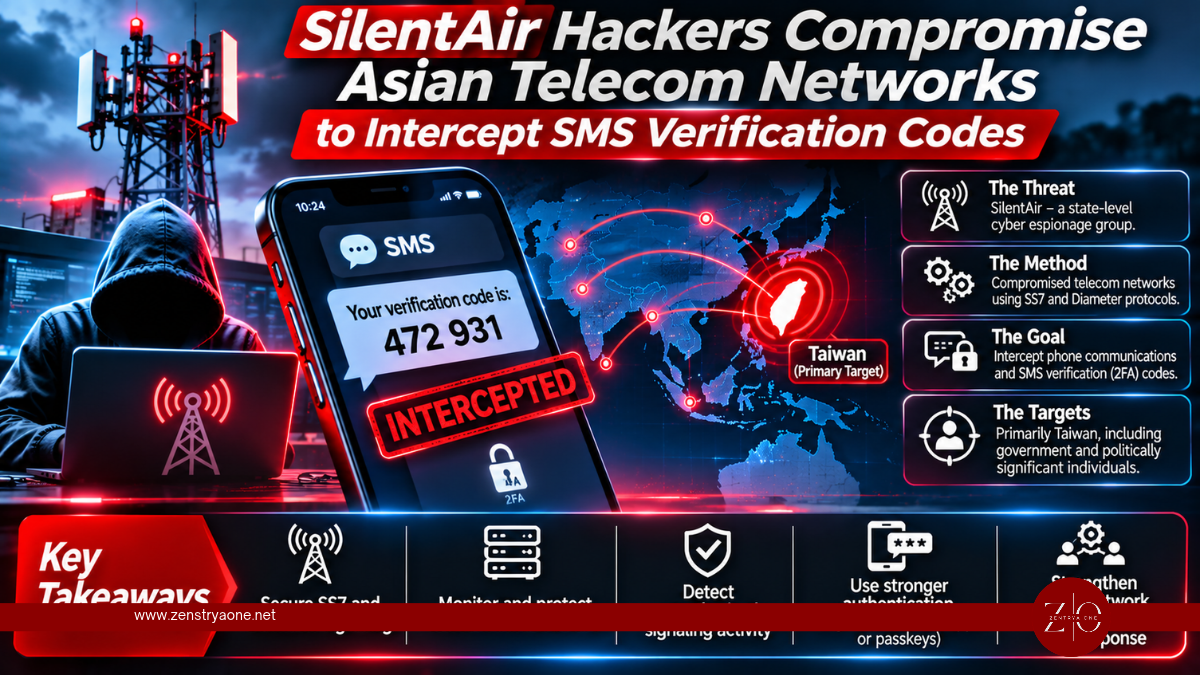
SilentAir Hackers Compromise Asian Telecom Networks to Intercept SMS Verification Codes
SilentAir hackers compromise Asian telecom networks to intercept SMS 2FA codes and spy on Taiwanese users, exposing mobile signaling security risks.
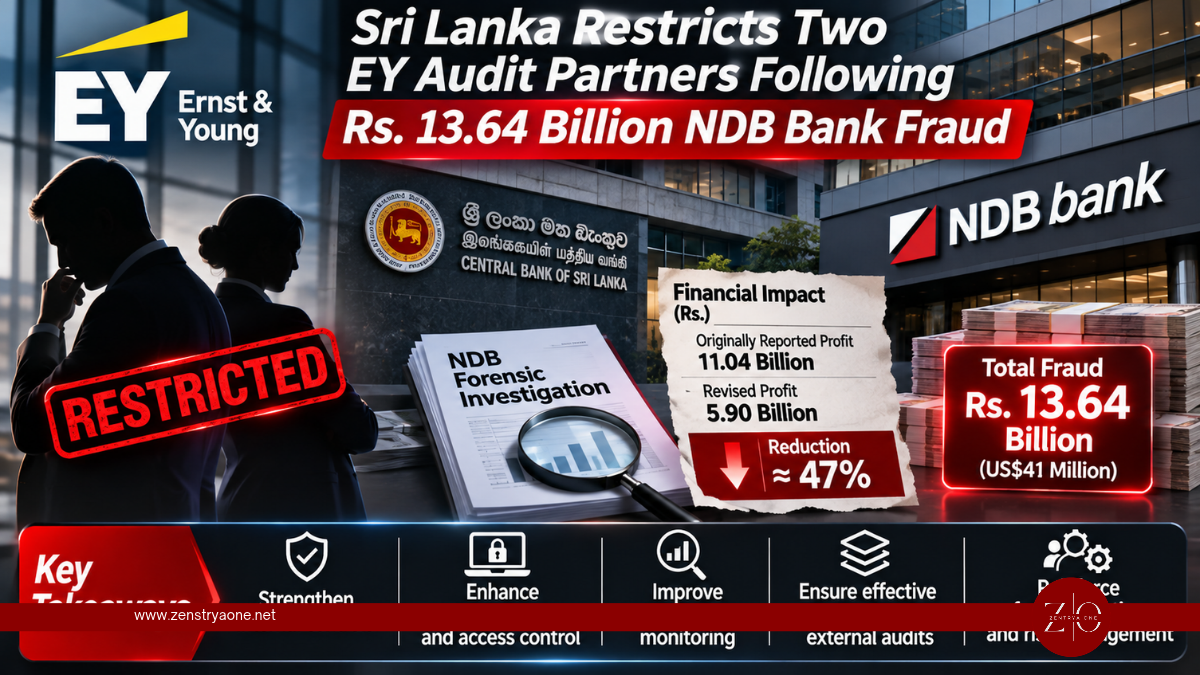
Sri Lanka Restricts Two EY Audit Partners Following Rs. 13.64 Billion NDB Bank Fraud
Sri Lanka's Central Bank restricts two EY audit partners following the Rs. 13.64 billion NDB fraud, raising concerns about banking controls and audit oversight.