Cyberattacks Disrupt Supermarket Refrigeration Across Europe, Forcing Food Withdrawals
Cyberattacks disrupt supermarket refrigeration systems across Europe, forcing food withdrawals. Learn how insecure industrial controllers exposed retailers to attacks.
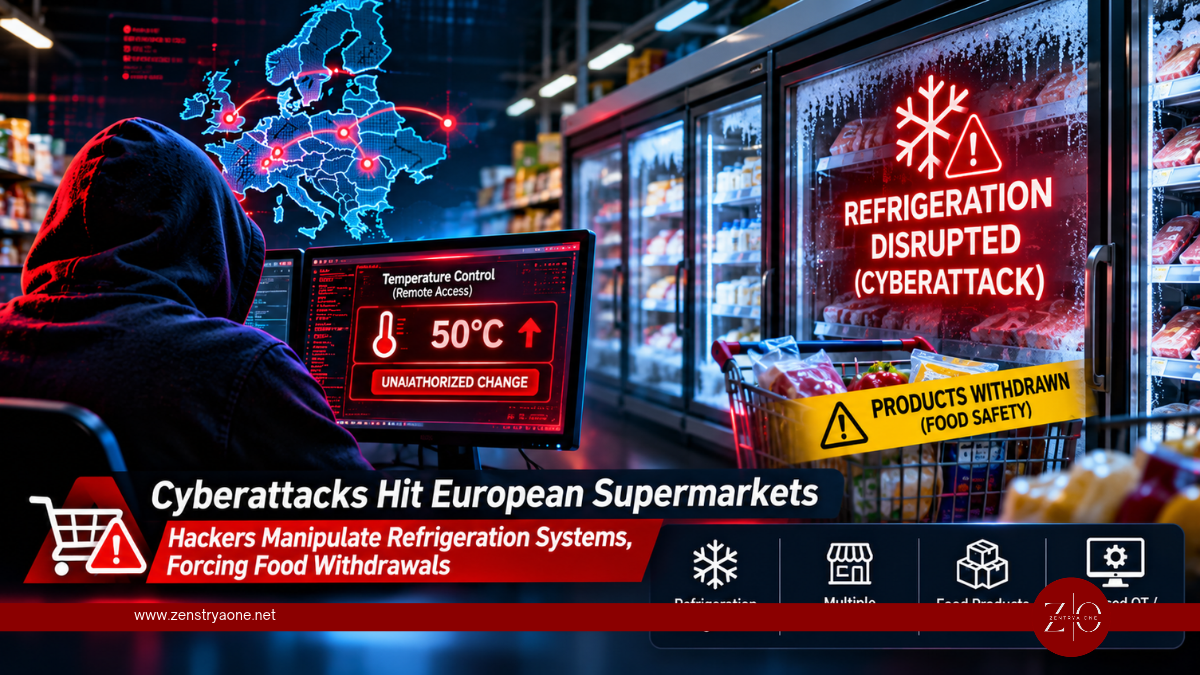
A new wave of cyberattacks has disrupted supermarket refrigeration systems across Europe, forcing retailers to remove chilled and frozen products from sale after attackers remotely manipulated temperature controls.
The incidents, reported on November 2, affected businesses in Belgium, Sweden, Ireland, Estonia, the Netherlands and several other European countries.
The attacks follow a similar campaign against hundreds of French supermarkets in October, raising concerns about the security of internet-connected industrial control systems used in retail operations.
Hackers Manipulate Refrigeration Temperatures
Attackers reportedly gained unauthorized access to refrigeration management systems and modified operational settings.
In several cases, refrigeration units were switched into defrost mode or configured to operate at dangerously high temperatures.
At an ICA supermarket in Sjöbo, Sweden, refrigeration settings were reportedly changed to 50°C, forcing employees to discard affected food products.
A supermarket in Estonia experienced a similar incident involving a freezer controller configured to 50°C. However, staff resolved the problem within approximately 10 minutes, limiting the actual temperature increase to around 2–3°C and preventing product damage.
These incidents demonstrate how unauthorized access to operational technology can cause physical disruption without attackers needing to compromise conventional business applications.
Major European Retailers Report Disruptions
Several supermarket operators and retail businesses confirmed refrigeration-related incidents.
Affected organizations included:
- Delhaize: Several dozen stores experienced refrigeration problems, primarily in Belgium.
- Carrefour: Reported cyberattacks affecting 15 stores in Belgium.
- Intermarché: Approximately 10–15 stores experienced refrigeration issues in Belgium.
- Coop Sweden: Reported unauthorized interference with refrigeration systems at several locations.
- SuperValu Ireland: Thirteen stores temporarily removed chilled and frozen products from sale.
- Selver Estonia: One supermarket experienced unauthorized changes to an older refrigeration controller.
- IKEA Belgium: One store in Mons reported a refrigeration-related cyber incident.
Additional incidents were reported in the Netherlands, Finland, Portugal and Italy.
Not every retailer independently confirmed that its disruption resulted from a cyberattack, and investigations into some incidents remain ongoing.
Businesses Face Financial Losses and Food Waste
The attacks created operational challenges for supermarkets and food retailers that depend on continuous temperature control.
At a butcher shop near Antwerp, Belgium, refrigeration temperatures reportedly reached 18°C.
The business owner estimated that approximately €15,000 worth of meat had been ruined.
Other retailers temporarily withdrew refrigerated products as a precaution while technicians restored safe operating conditions.
The disruption highlights the financial consequences of cyberattacks against operational technology, particularly in industries where equipment availability directly affects product safety.
Outdated Systems and Weak Passwords Raise Security Concerns
Investigations identified security weaknesses involving remotely accessible refrigeration controllers.
Danish manufacturer Danfoss confirmed that some affected systems used its refrigeration management technology.
According to reports, certain compromised devices were operating outdated software, while some systems remained accessible through insecure networks or default passwords.
Affected equipment included older refrigeration controllers that may no longer receive security updates.
However, the exact intrusion method has not been established for every incident, and the attacks should not all be attributed to a single vulnerability.
French Cybersecurity Agency Issues Security Guidance
France's national cybersecurity incident response team, CERT-FR, previously warned about attacks targeting internet-connected refrigeration management systems.
Its guidance covers equipment including Danfoss AK-SM and AK-SC controllers, as well as Copeland and Dixell xweb systems.
The agency warned that attack campaigns against these technologies could continue, particularly where equipment remains exposed to the public internet.
Security experts recommend restricting remote access, reviewing controller configurations and replacing unsupported devices.
Security Recommendations
Organizations operating refrigeration and other industrial control systems should prioritize the following measures:
- Remove direct internet exposure: Ensure refrigeration controllers and management interfaces cannot be accessed directly from public networks.
- Secure remote maintenance: Require protected VPN connections or other appropriately secured access methods for authorized technicians.
- Change default credentials: Replace factory passwords and enforce strong authentication.
- Update vulnerable equipment: Apply supported firmware updates and replace end-of-life controllers.
- Monitor temperature settings: Generate alerts for unexpected changes to cooling temperatures and defrost schedules.
- Segment operational networks: Separate refrigeration management systems from corporate IT and public-facing networks.
- Prepare recovery procedures: Maintain verified configurations and documented processes for restoring compromised controllers.
Organizations that suspect a compromise should investigate unauthorized configuration changes and validate equipment safety before returning systems to normal operation.
Security Takeaway
The latest attacks against European supermarkets demonstrate that cybersecurity incidents can have immediate consequences beyond data theft and service outages.
By manipulating refrigeration controls, attackers can disrupt essential business operations, create food safety concerns and cause significant financial losses.
The incidents reinforce the need to secure operational technology, particularly legacy systems that depend on remote connectivity.
Organizations should treat internet-connected industrial equipment as critical infrastructure and protect it with strong access controls, network segmentation, continuous monitoring and timely security maintenance.
Related reporting
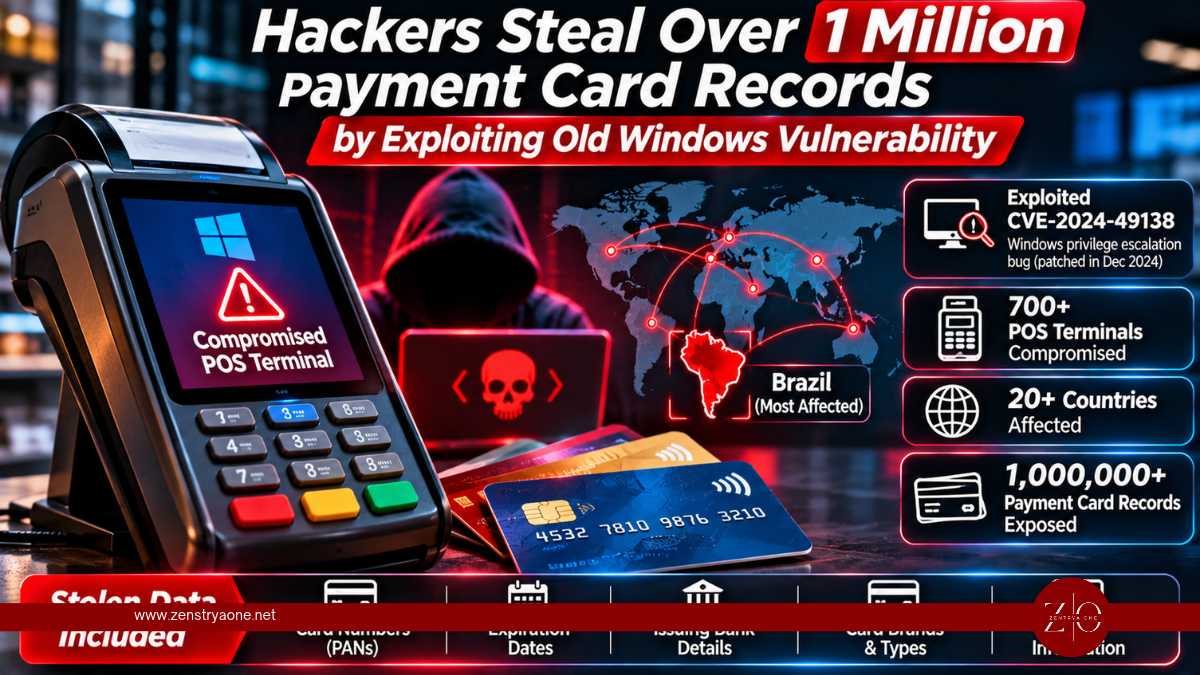
Hackers Steal Over 1 Million Payment Card Records by Exploiting Old Windows Vulnerability
Hackers exploit Windows CVE-2024-49138 to compromise over 700 POS terminals across 20 countries, stealing more than one million payment card records.
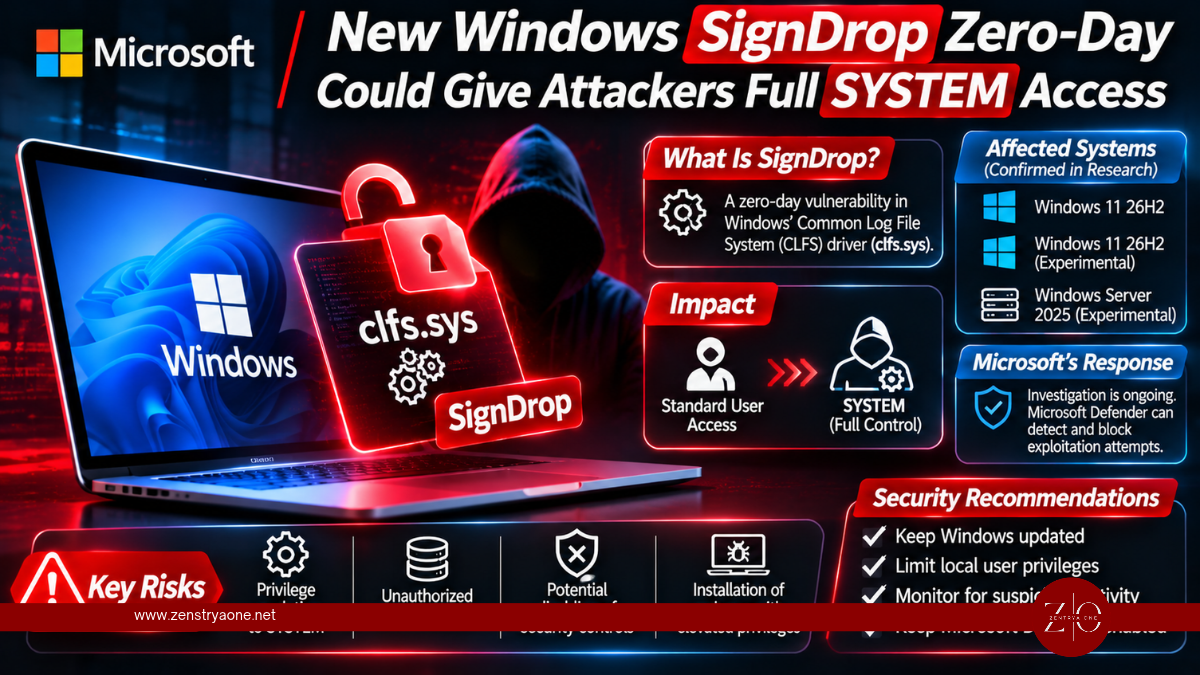
New Windows SignDrop Zero-Day Exploit Could Give Attackers Full SYSTEM Access
New Windows SignDrop zero-day exploit abuses Microsoft CLFS security protections to gain SYSTEM privileges. Learn about affected systems and mitigation.
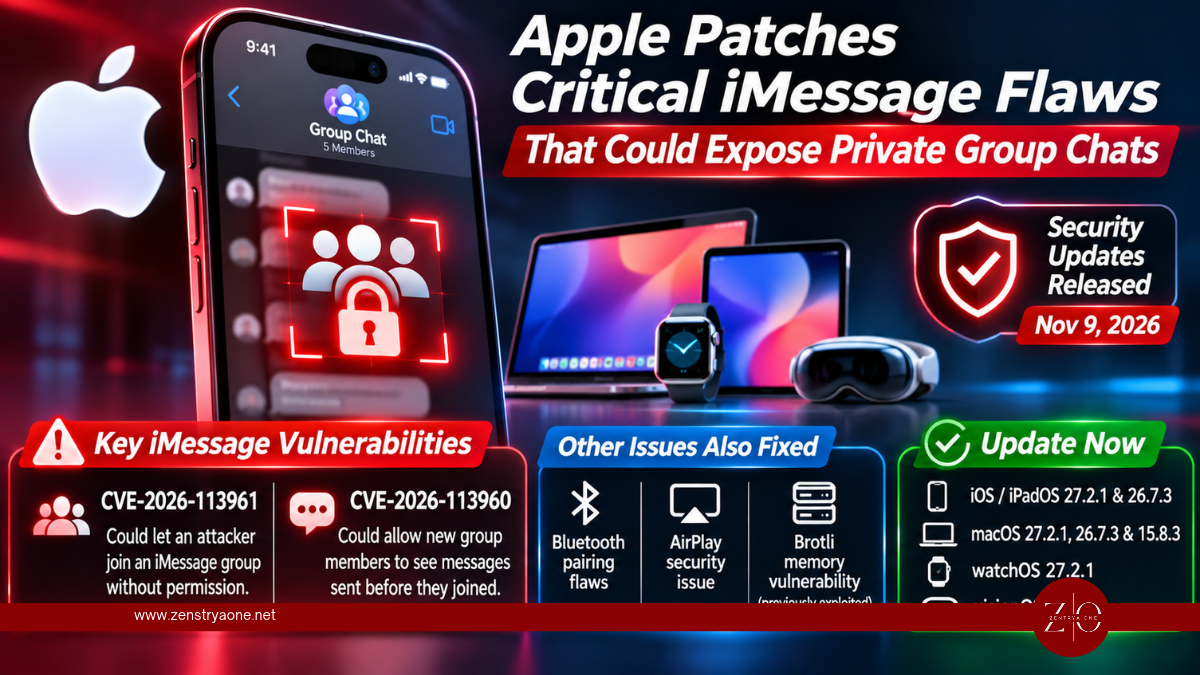
Apple Fixes Critical iMessage Privacy Flaws That Could Expose Private Group Chats
Apple patches two iMessage vulnerabilities that could expose private group chats, alongside Bluetooth, AirPlay and Brotli security flaws.