Hackers Exploit BTCPay Server Vulnerability to Steal Bitcoin and Litecoin From Hot Wallets
Hackers exploit outdated BTCPay Server installations to steal Bitcoin and Litecoin from hot wallets. Learn about affected versions, security updates and wallet protection.
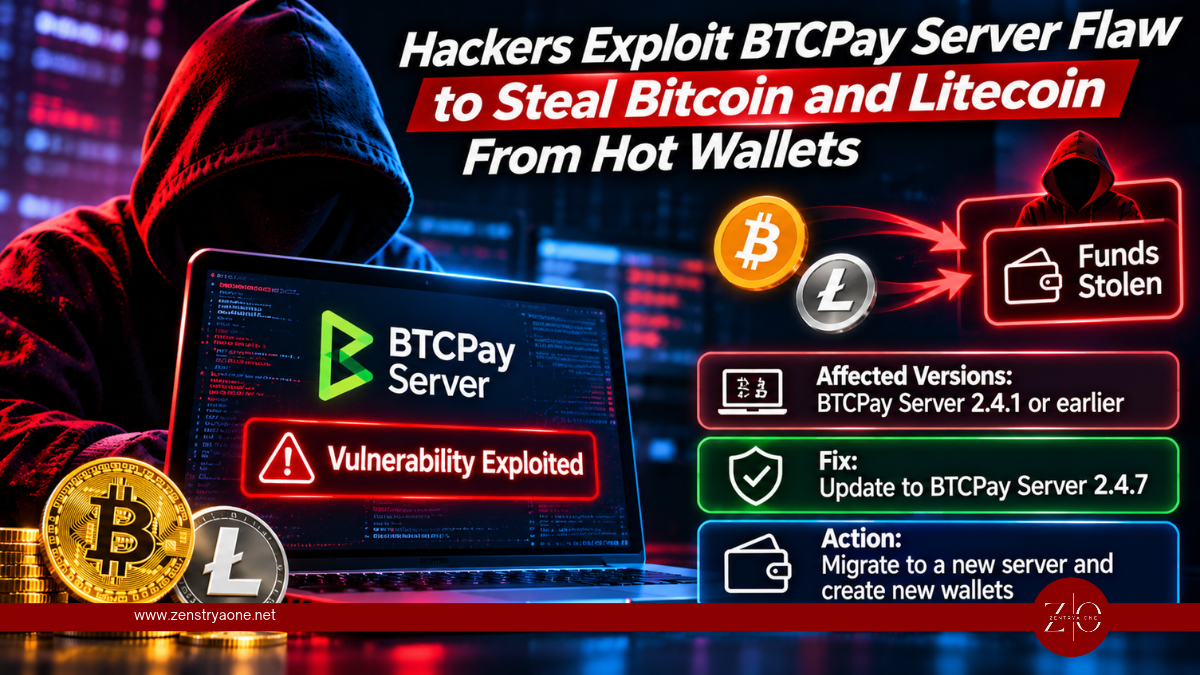
Cybercriminals have exploited a security vulnerability affecting older versions of BTCPay Server, an open-source cryptocurrency payment processing platform, to steal Bitcoin and Litecoin from internet-connected hot wallets.
The BTCPay Server development team confirmed that the attacks targeted installations running version 2.4.1 or earlier, urging affected operators to take immediate action to prevent further financial losses.
The incidents began attracting public attention around November 1, 2026, prompting an emergency security investigation and warnings to cryptocurrency merchants.
How the BTCPay Server Attacks Occurred
BTCPay Server allows businesses to accept cryptocurrency payments directly without relying on traditional payment processors.
However, its hot-wallet functionality can store sensitive wallet credentials on an internet-connected server, making compromised installations particularly dangerous.
According to the project's investigation, attackers exploited older BTCPay Server installations using a different method to abuse a vulnerability previously addressed in version 2.4.2, released on August 7, 2026.
The attack enabled unauthorized access to cryptocurrency wallet functionality, allowing criminals to transfer funds to attacker-controlled addresses.
Investigators have not publicly established every technical step involved in the latest intrusions.
Bitcoin and Litecoin Wallets Drained
Security researchers and BTCPay Server maintainers confirmed unauthorized transfers involving Bitcoin and Litecoin.
The development team identified cryptocurrency wallet addresses associated with the suspicious activity to support blockchain monitoring and investigations.
However, the total amount of stolen cryptocurrency and the number of affected merchants have not yet been publicly confirmed.
BTCPay Server has encouraged victims to report losses to its security team and relevant law enforcement authorities.
Older Versions Face the Greatest Risk
The investigation identified BTCPay Server 2.4.1 and earlier releases as affected by the latest attacks.
The project has urged operators to upgrade to BTCPay Server 2.4.7, the latest security release.
Version 2.4.7 also addresses additional vulnerabilities discovered through Anthropic's open-source security scanning technology.
As of November 3, the project reported no credible cases of hot-wallet theft affecting installations running version 2.4.7.
However, updating a previously compromised server does not guarantee that stolen credentials or wallet secrets are secure.
Administrators Urged to Replace Compromised Servers and Wallets
BTCPay Server recommends that operators running version 2.4.1 or earlier migrate to a clean server environment and create a new cryptocurrency wallet, even if they have not detected unauthorized transactions.
If a compromise is suspected, administrators should assume that sensitive information stored on the affected machine may have been exposed.
This includes wallet recovery phrases, private keys, authentication credentials and other application secrets.
Operators should transfer remaining cryptocurrency to newly generated wallets whose private keys have never been stored on the compromised server.
The project also recommends limiting the amount of cryptocurrency held in hot wallets used for daily transactions.
Previous Security Flaw Exposed Lightning Network Credentials
In August 2026, BTCPay Server disclosed a critical vulnerability that could allow unauthenticated attackers to retrieve sensitive .macaroon credential files associated with LND, an implementation of the Bitcoin Lightning Network.
These credentials could potentially enable attackers to control Lightning Network nodes and transfer funds.
The issue was addressed in BTCPay Server 2.4.2.
The latest investigation indicates that attackers found another way to exploit the previously patched weakness in older installations.
This development highlights the risks of operating outdated cryptocurrency payment infrastructure.
Security Recommendations
Organizations using BTCPay Server should implement the following measures:
- Update immediately: Upgrade to BTCPay Server 2.4.7 or a newer security release.
- Isolate vulnerable systems: Take installations running version 2.4.1 or earlier offline until they can be safely replaced.
- Generate new wallets: Move remaining assets to wallets created in a trusted environment.
- Rotate exposed credentials: Replace API tokens, administrator passwords, Lightning Network credentials and other potentially compromised secrets.
- Review transaction histories: Investigate unauthorized Bitcoin and Litecoin transfers.
- Reduce hot-wallet exposure: Store only the cryptocurrency required for routine payment processing on internet-connected systems.
- Strengthen monitoring: Enable security logging, restrict administrative access and monitor unusual payment activity.
Affected organizations should preserve relevant evidence and contact the BTCPay Server security team when investigating suspected theft.
Security Takeaway
The BTCPay Server attacks demonstrate how vulnerabilities in cryptocurrency payment infrastructure can result in direct financial losses.
Unlike conventional data breaches, compromised cryptocurrency wallets can allow attackers to transfer digital assets quickly, often making recovery extremely difficult.
The incident reinforces the importance of maintaining updated payment software, protecting wallet credentials and separating high-value cryptocurrency holdings from internet-facing systems.
Cryptocurrency merchants should urgently review their BTCPay Server versions and treat potentially exposed hot-wallet credentials as compromised.
Related reporting

Hackers Steal Over 1 Million Payment Card Records by Exploiting Old Windows Vulnerability
Hackers exploit Windows CVE-2024-49138 to compromise over 700 POS terminals across 20 countries, stealing more than one million payment card records.
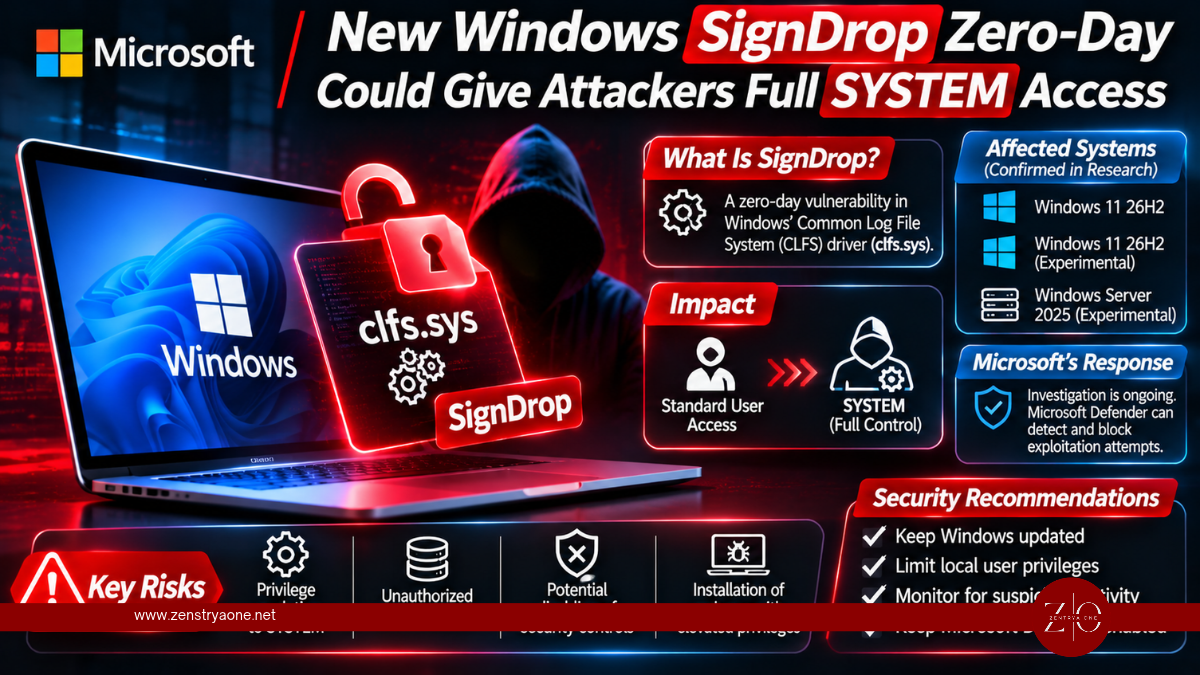
New Windows SignDrop Zero-Day Exploit Could Give Attackers Full SYSTEM Access
New Windows SignDrop zero-day exploit abuses Microsoft CLFS security protections to gain SYSTEM privileges. Learn about affected systems and mitigation.
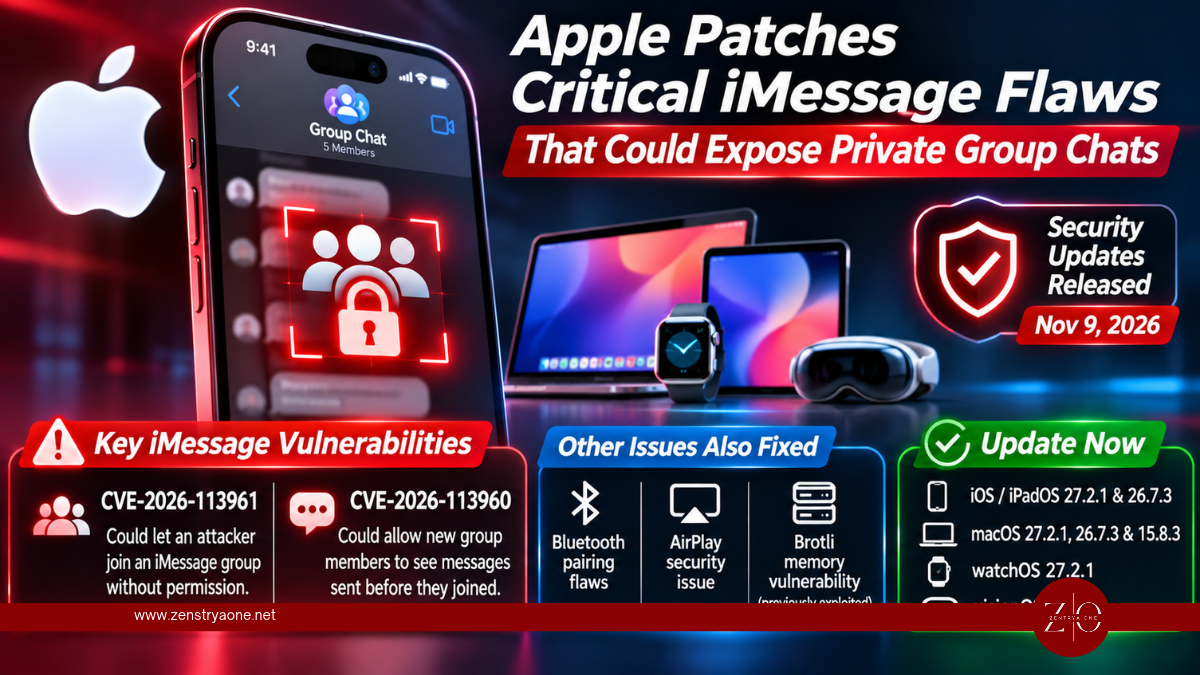
Apple Fixes Critical iMessage Privacy Flaws That Could Expose Private Group Chats
Apple patches two iMessage vulnerabilities that could expose private group chats, alongside Bluetooth, AirPlay and Brotli security flaws.