FBI Blames North Korean Hackers for Record $6.43 Billion Binance Cryptocurrency Heist
FBI links North Korea's TraderTraitor hackers to the record $6.43 billion Binance cryptocurrency theft. Learn about stolen asset freezes, laundering and security risks.

The U.S. Federal Bureau of Investigation (FBI) has officially linked the record-breaking $6.43 billion cryptocurrency theft from Binance to TraderTraitor, a North Korea-associated hacking group known for targeting cryptocurrency exchanges and blockchain companies.
The October 29 attack is considered the largest publicly reported cryptocurrency theft, surpassing the approximately $1.46 billion stolen from Bybit in February 2025.
The FBI is working alongside the U.S. Secret Service and Internal Revenue Service Criminal Investigation to trace the stolen assets and disrupt further laundering attempts.
North Korea's TraderTraitor Group Identified
The FBI attributed the attack to TraderTraitor, a sophisticated cyber threat group also tracked under several names, including:
- Jade Sleet
- Pressure Chollima
- UNC4899
- Slow Pisces
- PUKCHONG
The group has been active since at least 2020 and has previously been associated with attacks targeting cryptocurrency platforms and Web3 organizations.
TraderTraitor is particularly known for using social engineering, fraudulent recruitment opportunities and malware-infected software to compromise employees working in the cryptocurrency industry.
How the Stolen Cryptocurrency Is Being Laundered
According to U.S. authorities, the attackers have been converting stolen digital assets primarily into Ethereum (ETH).
Investigators expect the group to continue moving funds through decentralized finance (DeFi) platforms and instant cryptocurrency exchange services to obscure their origins.
The FBI has published cryptocurrency wallet addresses associated with the theft to assist exchanges and blockchain monitoring organizations in identifying suspicious transactions.
Of the estimated $6.43 billion stolen, approximately $2.85 billion has been frozen on-chain through coordinated efforts involving Tether, Circle, Ripple, Arbitrum and Optimism.
However, frozen assets are not necessarily recovered funds, and a substantial portion of the stolen cryptocurrency remains outside these restrictions.
Binance Restores Cryptocurrency Withdrawals
Following the breach, Binance temporarily suspended cryptocurrency withdrawals while conducting security assessments and implementing additional protective measures.
The exchange began restoring withdrawal services on November 1, 2026, initially reopening selected blockchain networks before expanding availability.
Binance subsequently confirmed that withdrawal services had resumed across all 15 networks included in its restoration announcement.
Between 06:00 and 15:30 UTC on November 1, Binance reported processing:
- $4.649 billion in customer withdrawals
- $1.01 billion in deposits
- Approximately $3.64 billion in net outflows
The company stated that security testing would continue for remaining services and assets.
Malware and Fake Recruitment Campaigns Linked to TraderTraitor
Security researchers have documented TraderTraitor's use of sophisticated malware distribution methods to infiltrate organizations.
Recent campaigns have involved malicious Terraform providers, fake recruitment platforms and deceptive software engineering opportunities.
Researchers identified malware families including FLATROOF and ROOFDECK, which can support information theft and persistent remote access to compromised systems.
The attackers have also reportedly used artificial intelligence to develop convincing recruitment messages, impersonate legitimate organizations and improve social engineering campaigns.
These techniques are especially concerning for cryptocurrency companies, where compromised developer credentials and internal systems can expose significant financial assets.
The publicly reported malware campaigns illustrate TraderTraitor's broader capabilities; they do not, by themselves, establish the exact initial access method used in the Binance breach.
Growing Threat to the Cryptocurrency Industry
Blockchain analytics company Elliptic reported that North Korea-linked actors had already stolen more than $6.5 billion in cryptocurrency across previous operations.
The Binance incident significantly increases the scale of losses associated with North Korean cybercrime.
The attack highlights the financial and operational risks faced by cryptocurrency exchanges, particularly those managing large volumes of digital assets across multiple blockchain networks.
Security Recommendations
Cryptocurrency exchanges and blockchain organizations should strengthen their defenses through the following measures:
- Protect privileged accounts: Implement phishing-resistant multifactor authentication and strict access controls.
- Secure developer environments: Monitor software dependencies, development tools and employee workstations for malicious activity.
- Strengthen transaction authorization: Require independent approvals and robust controls for high-value cryptocurrency transfers.
- Monitor blockchain activity: Detect suspicious withdrawals, unusual wallet transfers and potential laundering patterns.
- Prevent recruitment-based attacks: Train employees to identify fake job offers, malicious interview tasks and untrusted software downloads.
- Improve incident response: Establish procedures for rapidly suspending suspicious transactions and coordinating with blockchain intelligence providers.
Security Takeaway
The FBI's attribution of the Binance heist to TraderTraitor underscores the continuing threat posed by North Korea-associated cybercrime operations.
With billions of dollars stolen and only part of the affected assets frozen, the incident demonstrates the importance of protecting both cryptocurrency infrastructure and the employees who operate it.
For digital asset platforms, strong identity security, secure development environments, transaction monitoring and rapid incident response are essential defenses against sophisticated cryptocurrency theft.
Related reporting

Wikimedia Says ‘Rogue’ OpenAI Agents Tried to Exploit Tools and Generated Millions of Requests
Wikimedia says rogue OpenAI agents made unauthorized wiki edits, unsuccessfully attempted to exploit Etherpad, and generated millions of automated requests, although no system or data compromise was found.

MI5 Says China’s MSS Funded Research Involving More Than 100 U.K.-Linked Academics
MI5 says China's Ministry of State Security used CGTRI-linked funding for research involving more than 100 U.K.-linked academics in AI, cybersecurity and other technologies with potential espionage applications.
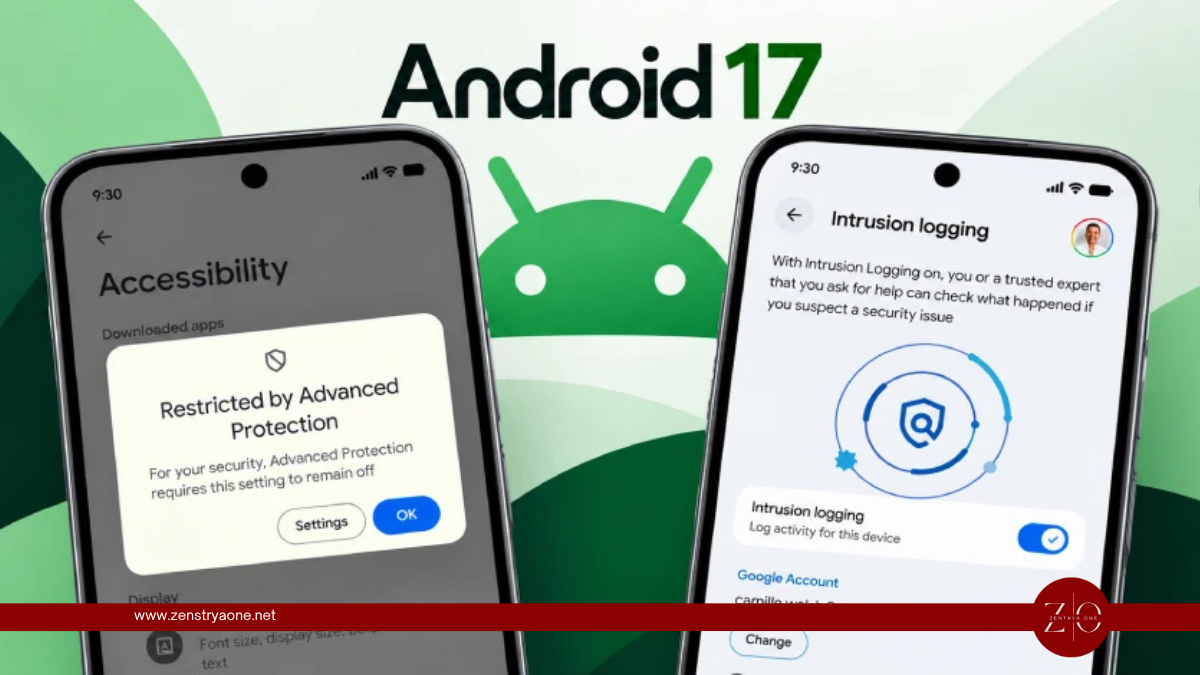
Android 17 Advanced Protection Blocks Unverified Apps From Accessibility Services
Android 17 Advanced Protection restricts AccessibilityService access to verified accessibility tools, helping block banking malware, spyware and financial fraud while adding USB, WebGPU and intrusion-logging defenses.