
Malware
FBI: North Korean Hackers Steal Over $400 Million in Crypto Through Fake Video Calls
FBI reveals North Korean hackers stole over $400 million in cryptocurrency using fake video meetings, deepfakes and FaceStealer malware attacks.
Every report filed under this tag.
FBI reveals North Korean hackers stole over $400 million in cryptocurrency using fake video meetings, deepfakes and FaceStealer malware attacks.

Russian police arrest three suspected VasyGrek hackers and dismantle cybercrime infrastructure linked to phishing, malware and financial theft.

State Bank of India confirms a data leak involving 3,897 customer records found on the dark web. SBI investigates the source and extent of the exposure.

A Bank of Ceylon customer disputes 30 transactions totaling Rs. 2.869 million completed within 14 minutes. BOC says its systems were not breached, raising questions about credential theft, OTP security and digital banking fraud.
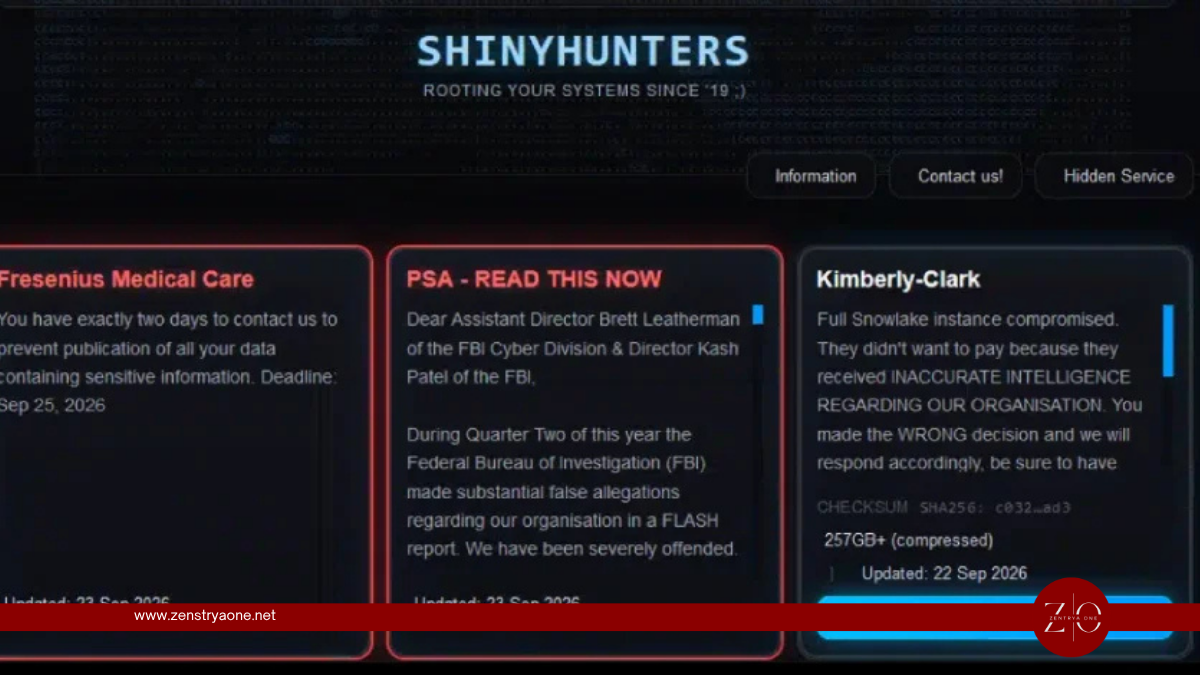
ShinyHunters claims it breached FBI systems and stole sensitive data on agents, employees and job applicants, while the FBI investigates unauthorized activity affecting FBIJobs.gov.

Researchers uncover ChainScript, a Node.js RAT delivered through ClickFix lures that uses a Polygon smart contract to dynamically locate and rotate its WebSocket C2 infrastructure.

The FBI seized domains linked to NightmareStresser, a major DDoS-for-hire service blamed for hundreds of thousands of actual or attempted attacks worldwide since 2022.

Cybersecurity researchers have uncovered a sophisticated banking-malware campaign that hijacks Google Chrome and Microsoft Edge using malicious browser extensions capable of stealing credentials, cookies, session tokens and other sensitive browser data.

Anthropic says it identified and disrupted seven industrial-scale attempts to extract capabilities from its Claude AI models, attributing the activity to China-based AI laboratories.

U.S. authorities have taken coordinated action against Xinbi Guarantee, a Telegram-based criminal marketplace accused of providing infrastructure and services to online scam operations around the world.

Cybercriminals are increasingly using autonomous artificial intelligence to accelerate attacks, and a new campaign observed by Google Threat Intelligence Group (GTIG) demonstrates just how quickly these operations can scale.

Cybercriminal group Slim Spider has targeted a Brazilian financial institution in an operation focused on stealing sensitive information associated with cryptocurrency custody operations.
One brief each morning: the advisories that matter, the noise removed.
Double opt-in. One-click unsubscribe in every email. We never sell addresses.
Subscribe for walkthroughs and security tips.