
Malware
FBI: North Korean Hackers Steal Over $400 Million in Crypto Through Fake Video Calls
FBI reveals North Korean hackers stole over $400 million in cryptocurrency using fake video meetings, deepfakes and FaceStealer malware attacks.
Every report filed under this tag.
FBI reveals North Korean hackers stole over $400 million in cryptocurrency using fake video meetings, deepfakes and FaceStealer malware attacks.

SilentAir hackers compromise Asian telecom networks to intercept SMS 2FA codes and spy on Taiwanese users, exposing mobile signaling security risks.
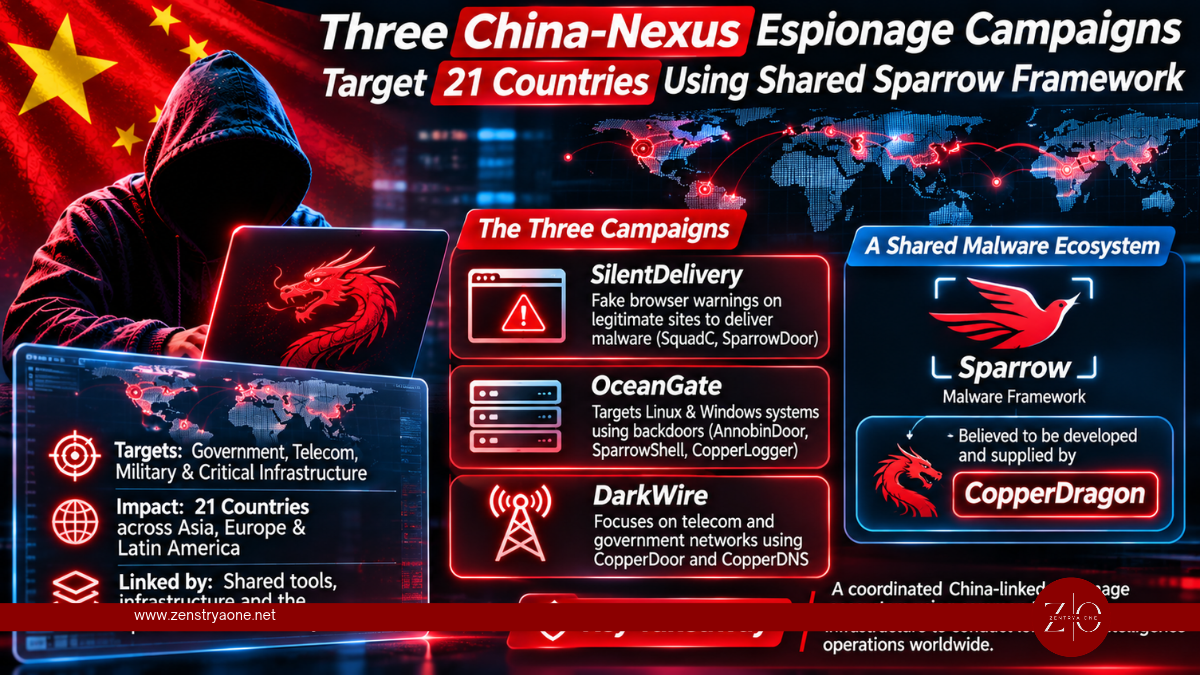
Check Point links three China-nexus cyber espionage campaigns targeting 21 countries through the Sparrow malware ecosystem and CopperDragon infrastructure.
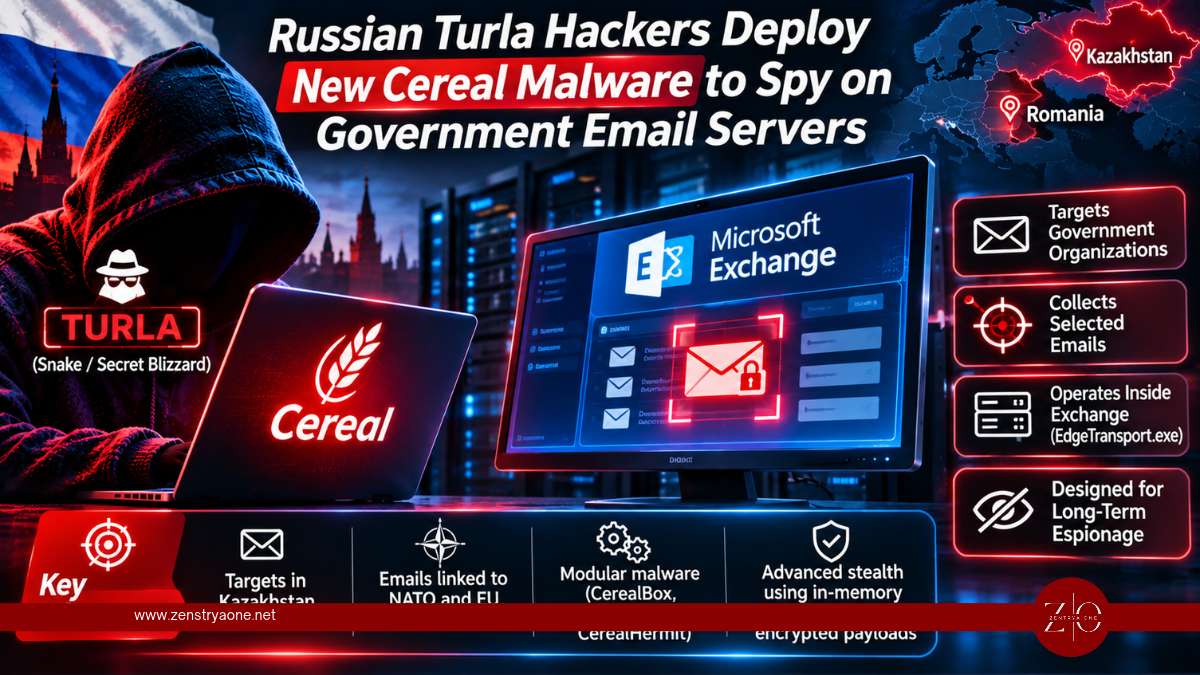
Russian Turla hackers deploy new Cereal malware to steal sensitive government emails from Microsoft Exchange servers in Kazakhstan and Romania.
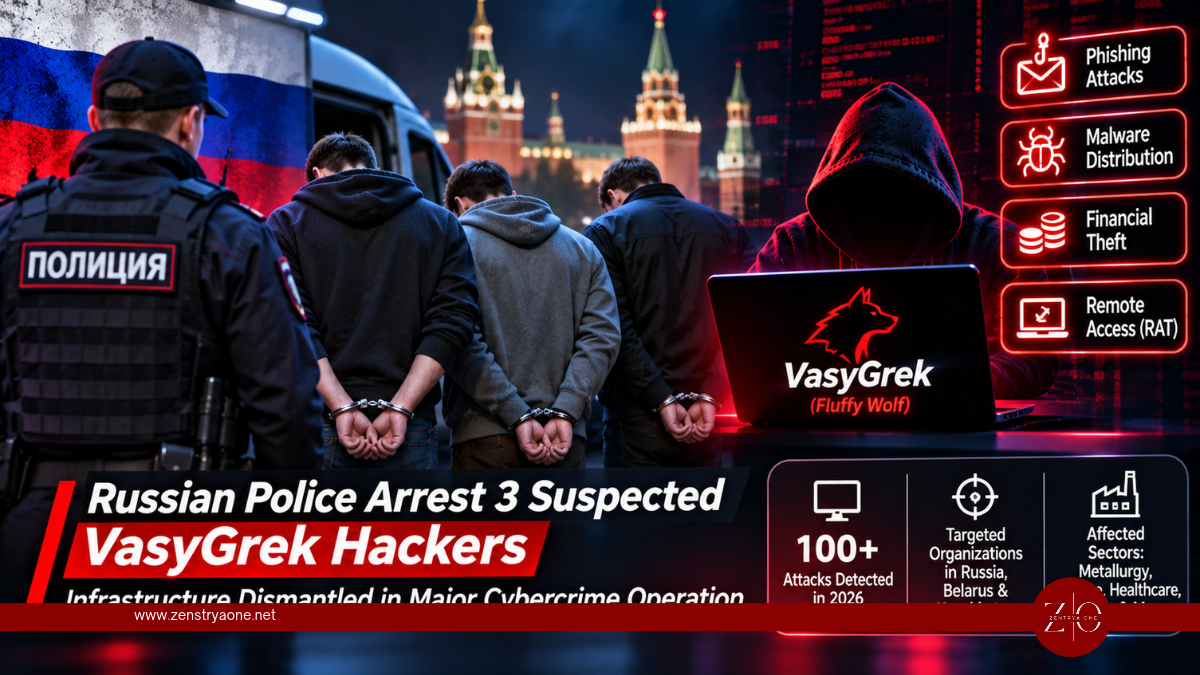
Russian police arrest three suspected VasyGrek hackers and dismantle cybercrime infrastructure linked to phishing, malware and financial theft.

Chinese hackers use AI-powered ARTEX to target over 200 organizations worldwide. CrowdStrike links the campaign to Vapor Panda, with nine confirmed intrusions.

MI5 says China's Ministry of State Security used CGTRI-linked funding for research involving more than 100 U.K.-linked academics in AI, cybersecurity and other technologies with potential espionage applications.

Russia-linked Star Blizzard targets more than 100 organizations using fake event invitations, the new RedFlick malware delivery technique and the CosmicPulse Windows backdoor.

Researchers link Handala Hack to HEAVYGRAM, a Telegram-controlled Windows backdoor capable of stealing passwords, messages, screenshots and other sensitive data.

ESET researchers uncover SparroWocky, a new modular C++ backdoor used by China-aligned FamousSparrow in cyberespionage attacks targeting governments across Latin America.

Cybersecurity and intelligence agencies from the United Kingdom, United States and Netherlands have exposed an Iranian state-linked cyber-espionage campaign using sophisticated Windows malware to monitor dissidents, activists and journalists around the world.
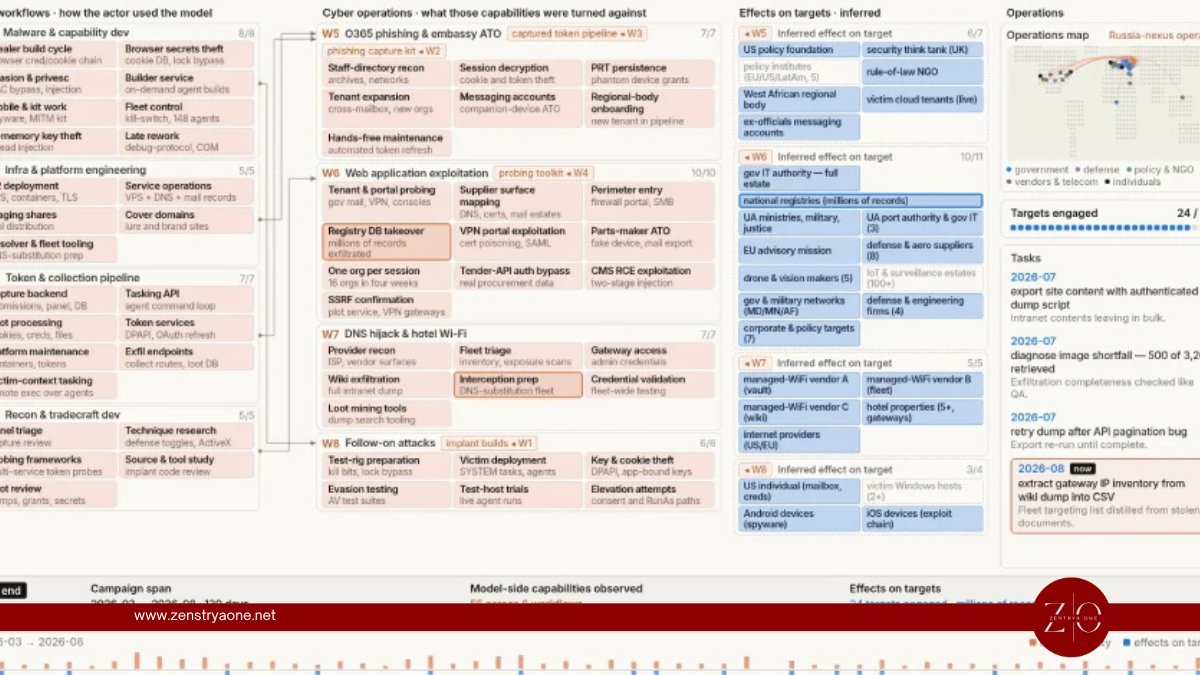
A Russian state-linked cyber-espionage operation has used Anthropic's Claude AI to create an automated malware-evasion workflow capable of detecting when its malicious tools were identified by security products and then modifying and rebuilding those tools to bypass the detections.
One brief each morning: the advisories that matter, the noise removed.
Double opt-in. One-click unsubscribe in every email. We never sell addresses.
Subscribe for walkthroughs and security tips.